𝗞𝘂𝘄𝗲𝗻𝘁𝗼𝗻𝗴 𝗣𝗲𝘆𝘂𝗽𝘀 𝗯𝘆 𝗔𝘁𝘁𝘆. 𝗗𝗲𝗻𝗻𝗶𝘀 𝗚𝗼𝗿𝗲𝗰𝗵𝗼
I bought a purple-colored broom or walis tambo at the Baguio City Public Market in solidarity with the women vendors during the celebration of the International Working Women’s Day last March 8.
The Baguio public market has been a cultural symbol of the city since it was established in 1913.
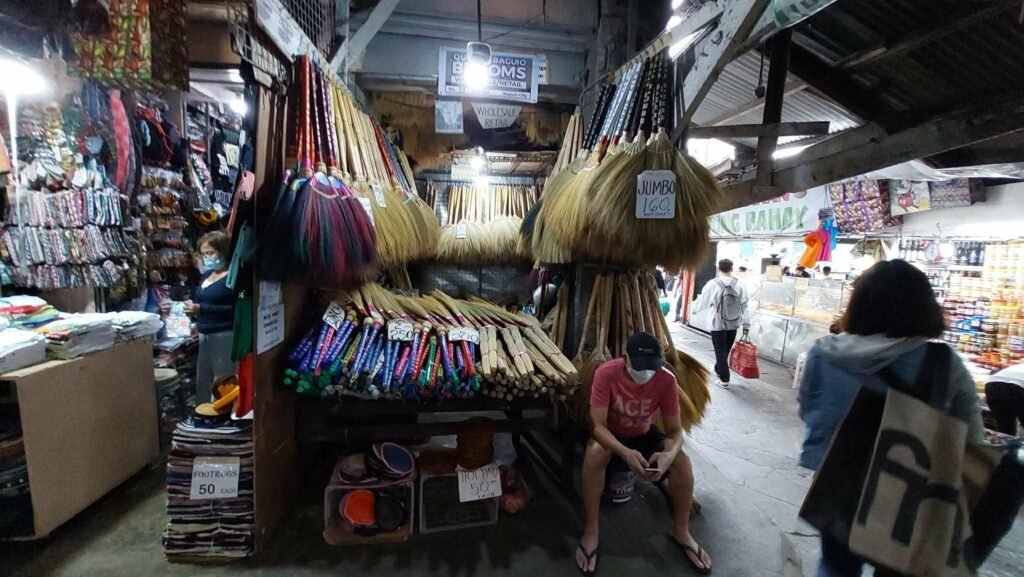
Located at the lower end of Session Road along Magsaysay Avenue, this traditional market is a sensory experience with a maze of shops selling souvenir items like colorful native handwoven bags, textiles, wood carvings, walis tambo, specialty foods and the buzz of bargaining between vendors and shoppers.
With a total land area of about 3.25 hectares, the market has been a major trading center for more than a hundred years for products from the Cordillera region, including vegetables, fruits, meat, flowers, and coffee.
The market is made of six postwar structures finished with the same Baguio stone used in the earlier market buildings, which were inaugurated in April 1952.
It survived bombings in World War II, but several destructive fires in 1960, 1970, 1992 and 2008 have gradually diminished the old market.
The redevelopment plan or “mallification” of the historic trading center has been the subject of debate for the past years.
The controversial SM Prime Holdings redevelopment project involves public-private partnership (PPP) proposal to build a P4.5-billion multilevel facility that include the construction of a 4-story building that would have accommodated all 4,000 vendors currently selling meats, vegetables, fish, clothes and other goods, along with an eight-level parking building.
The vendors would be relocated to a temporary market site in the Slaughterhouse Compound.
Several protests were held that highlighted concerns over vendor displacement, rent hikes, loss of livelihood, market ownership and threats to the traditional culture of the market while also calling for transparent and locally led redevelopment.
Critics stressed that the modernization process should not only benefit corporations but should serve the people and preserve the city’s cultural and economic heritage.
National Artist for Film and Broadcast Eric “Kidlat Tahimik” de Guia said in a letter that despite the market’s need for redevelopment, he warns that corporations prioritize profit over people.
Kidlat said that corporations are focused on “super efficiency just to get quick cash in, cash out. But the very colorful market vendors, human beings, will lose their place.”
The Baguio City government recently cancelled the controversial SM Prime Holdings redevelopment project following strong opposition from local vendors and residents.
“This is not the end. Our fight has just begun. We have proven that we can push back a giant corporation through our unity,” said Sofia Villanueva, president of the Women Vendors Association.
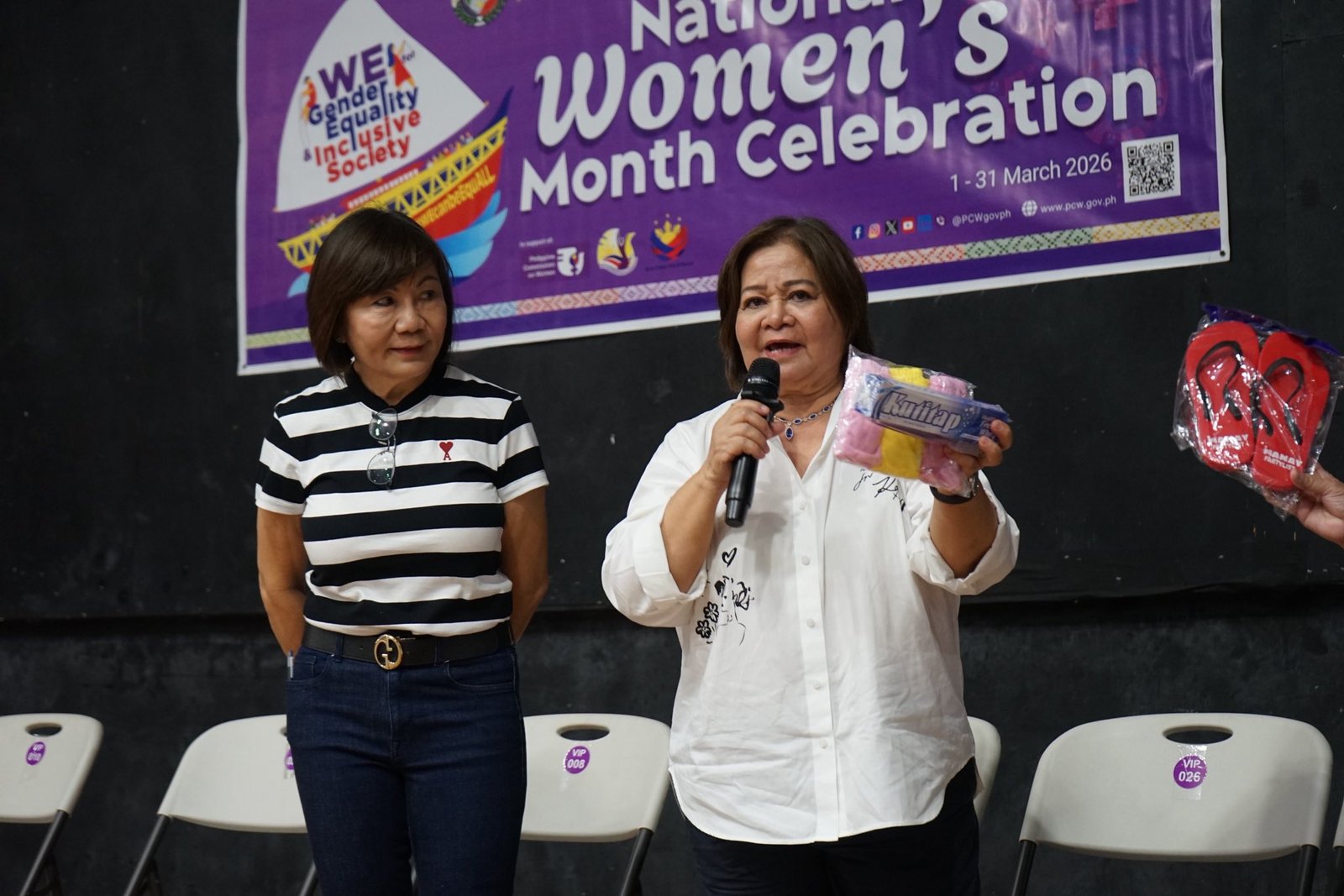
I was present last March 8 during the gathering at the public market Block 4 in celebration of International Working Women’s Day.
Proclamation No. 227 (1988) declared March as Women’s Role in History Month, while Republic Act No. 6949 established March 8 as National Women’s Day, both aiming to acknowledge the valuable contributions of women in society and promoting gender equality.
The venue was graced with people wearing purple to symbolize solidarity with women’s rights and struggles, with discussions featuring women leaders and representatives from various sectors, including market vendors, advocates, and youth organizers.
Performances were complimented with discussions on various pressing issues affecting women and the broader Filipino public, including the market’s mallification, the rising prices of basic commodities, privatization of essential services such as water and electricity, and calls for accountability against corruption.
I empathize with them as my mother was a market vendor herself when she was young.
When we were growing up, I remember times when Mama scolded us, “Buti nga kayo di nyo naranasan ang magtinda ng kamatis sa palengke.” Then she would cry. Perhaps, this was her way of saying that whatever the benefits we were enjoying then were due to their hard work. This is something that children have to realize: that parents will sacrifice a lot for the future of the kids.
The public market issue was also the focus of the recent 28th Word Cup Philippines National Journalism Conference in Baguio attended by more than 200 campus journalists nationwide.
Speakers include the author and former members of College Editors Guild of the Philippines (CEGP) Nonnette Bennet, Eugene and Ana Marie Calapit, and Jennifer Lee Bonto.
The conference focused on the importance of fact-checking and contextual reporting on issues that shape communities with a call for young journalists to use their platforms to report responsibly.
(Peyups is the moniker of the University of the Philippines. Atty. Dennis R. Gorecho heads the Seafarers’ Division of the Sapalo Velez Bundang Bulilan Law Offices. For comments, e-mail info@sapalovelez.com, or call 0908-8665786.)