

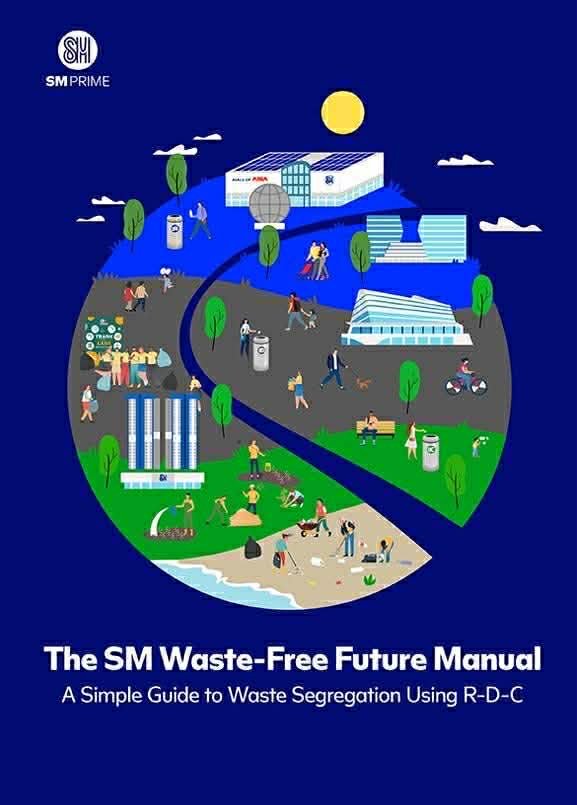
SM Prime Holdings Inc. is encouraging the public to take practical steps toward better waste management through the launch of The SM Waste-Free Future (WFF) Manual, a visual guide designed to make sustainable habits easier for everyday mallgoers.
The 17-page manual was introduced during SM’s first Sustainability Expo and serves as a straightforward resource showing how visitors can participate in waste management initiatives available in their favorite SM Supermalls locations.
According to SM Supermalls Vice President for Corporate Compliance and Sustainability Liza Silerio, adopting sustainable practices requires both accessible systems and easy-to-build habits.
“The easiest way to adopt sustainable practices is a two-pronged approach,” Silerio said. “The first is building the avenues that make waste management accessible and easy to do. The second is ensuring that these are easy habits to build and practice in our daily lives.”
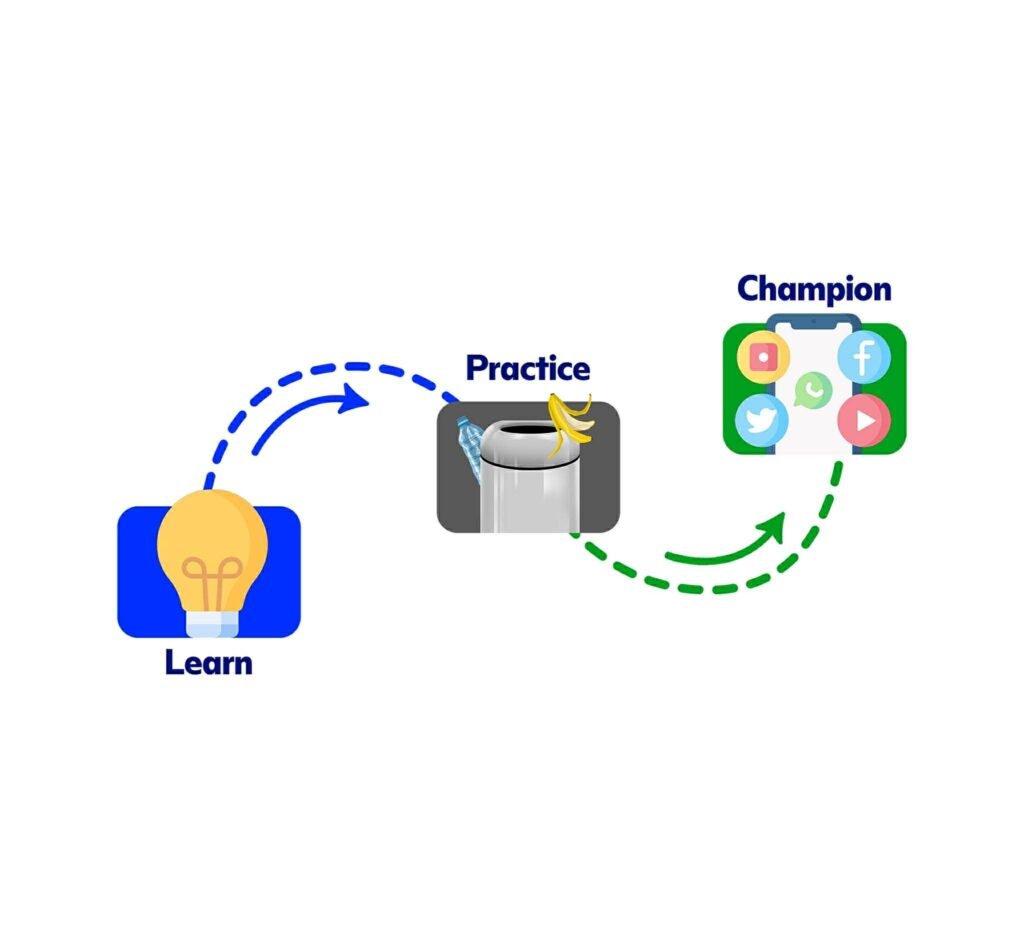
The manual combines text and visuals to guide readers through a “Learn–Practice–Champion” workflow, a three-step process designed to help people understand, apply, and eventually advocate proper waste management practices. It also includes green tips and trivia to reinforce the importance of reducing waste sent to landfills.
Understanding everyday waste
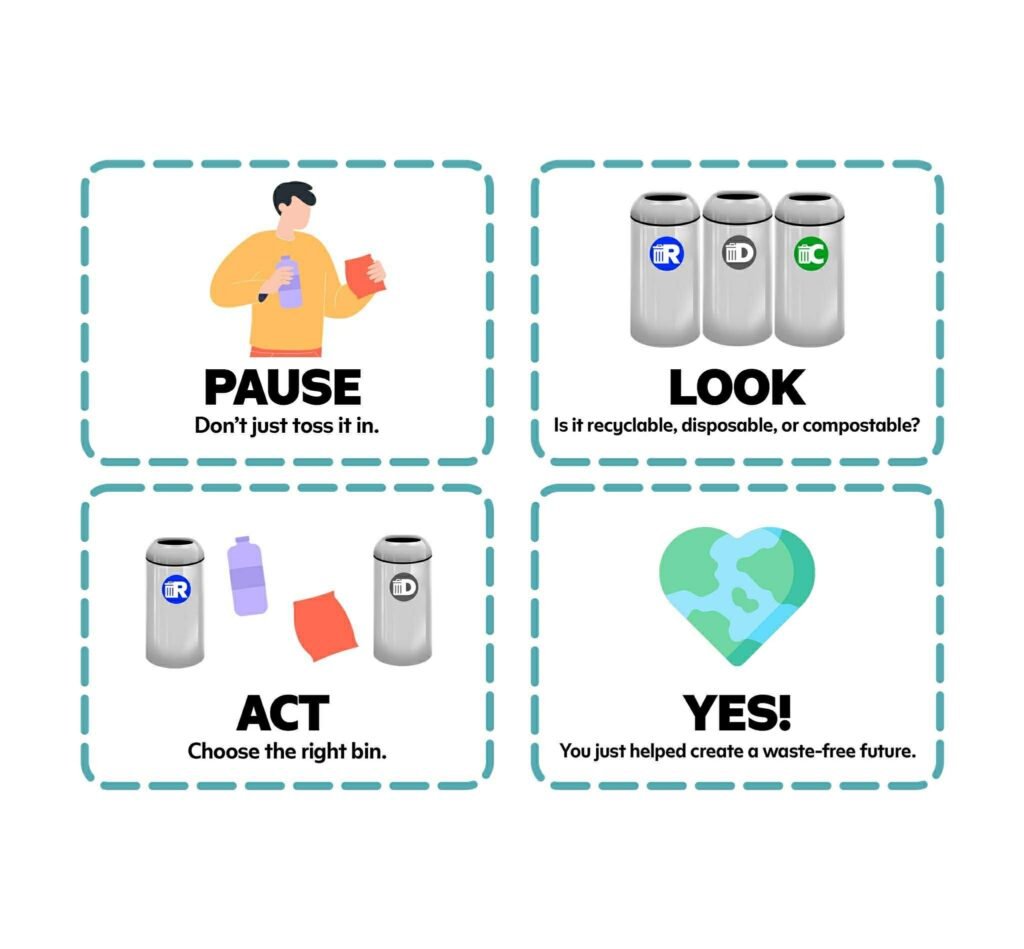
The guide emphasizes the importance of “thinking before tossing.” After conducting a Waste Analysis and Characterization Study across its headquarters and the SM Mall of Asia complex, SM Prime identified the most common waste items generated in its facilities, including PET bottles, plastic cutlery, single-use plastics, beverage cups, food containers, sachets, tissues, diapers, and food waste.
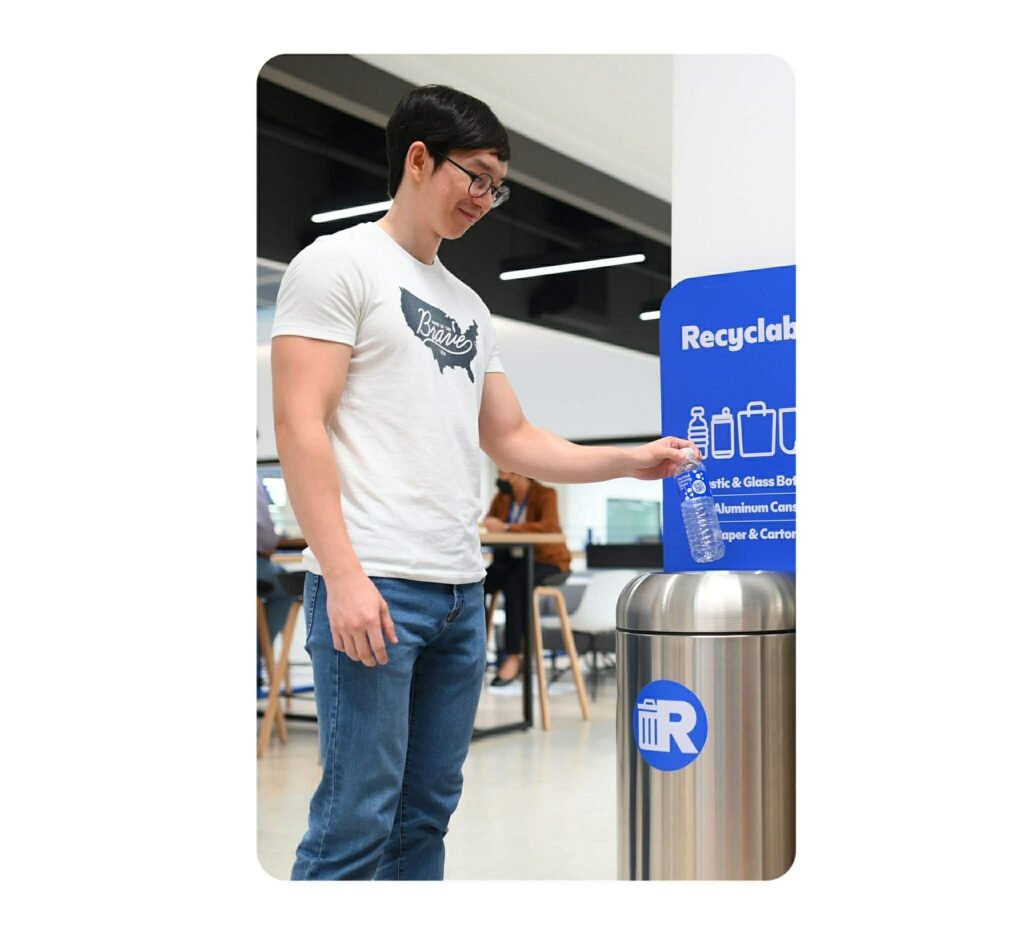
To promote proper segregation, the manual encourages the use of designated Recyclable-Disposable-Compostable (RDC) bins available in SM malls.
- Blue bins – for recyclable items such as PET bottles
- Gray bins – for disposable waste like plastic cutlery, cups, sachets, and soiled tissues
- Green bins – for food scraps without packaging or utensils
Electronic waste, considered one of the fastest-growing waste streams worldwide, is also addressed. Special collection bins are placed in SM Cyberzone areas where customers can drop off used batteries, gadgets, and electronic accessories for proper recycling or processing.
Programs supporting the initiative
SM also continues to promote community participation through several environmental programs.
One of these is the Trash-to-Cash initiative held every first Friday and Saturday of the month from 10 a.m. to 2 p.m., where mallgoers can exchange clean and dry recyclable materials for cash incentives. The program encourages household waste segregation while supporting the circular economy.
Another initiative is the Plastic Waste Collection Program, which has gathered around 70,000 kilograms of clean and dry consumer plastics** since it was launched in 2019 across SM properties.
Meanwhile, SM Cares organizes regular coastal cleanups to help address marine pollution. In 2025 alone, volunteers collected about 200,000 kilograms of marine litter through nationwide cleanup drives, in addition to weekly activities conducted by SM Estates.
This year, another coastal cleanup is scheduled on March 22in observance of World Water Day at several malls including SM City Urdaneta Central, SM City Tanza, SM City J Mall, SM City Daet, SM City Consolacion, and SM City La Union.
Silerio said clear communication and public participation remain crucial in achieving long-term sustainability goals.
“Communicating waste management practices clearly and easily helps our stakeholders support our vision for a waste-free future,” she said. “When we all come together and choose to help save our planet, even the smallest actions in the right direction can yield great results.”