
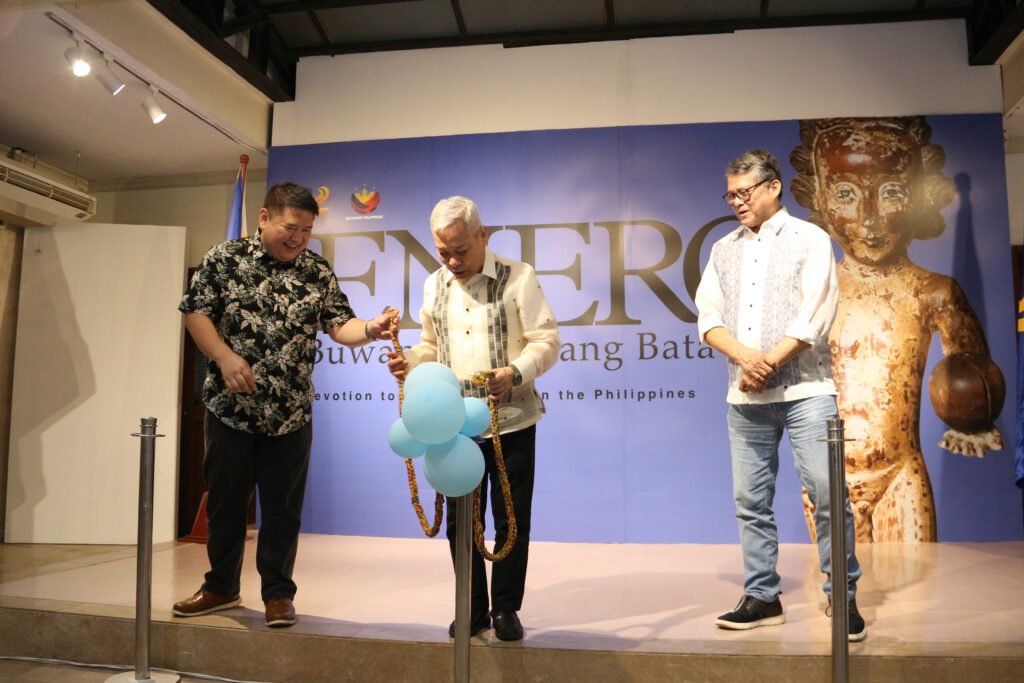
The enduring Filipino devotion to the Santo Niño takes center stage at the National Commission for Culture and the Arts (NCCA) Gallery in Intramuros through Balaang Bata, an exhibition unveiled on January 16, 2026 by NCCA Chairman and concurrent Executive Director Dr. Eric B. Zerrudo.
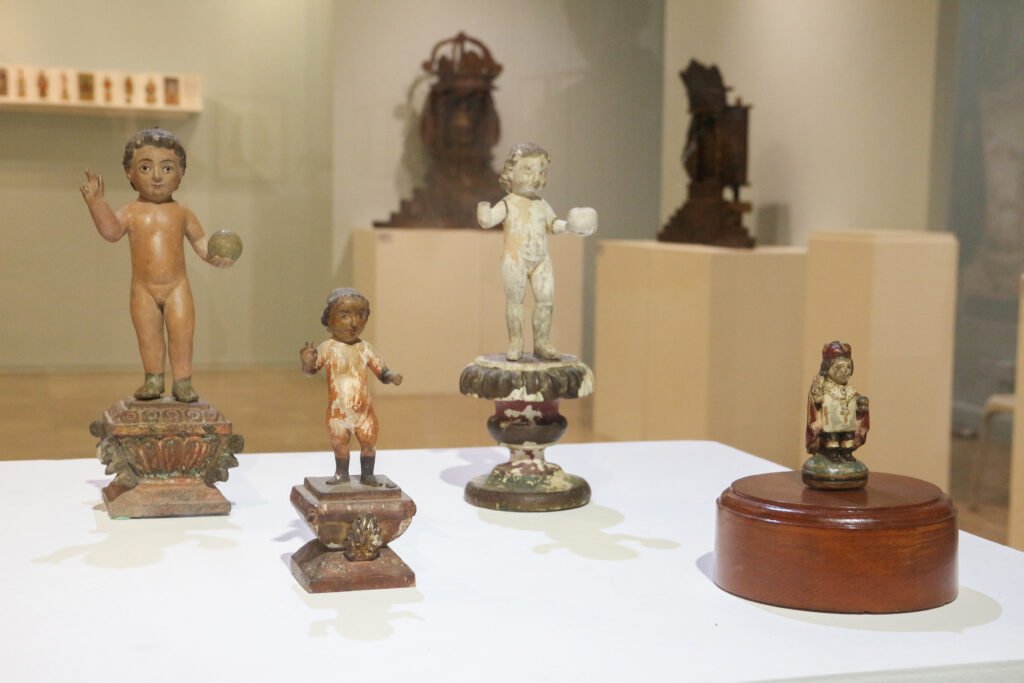
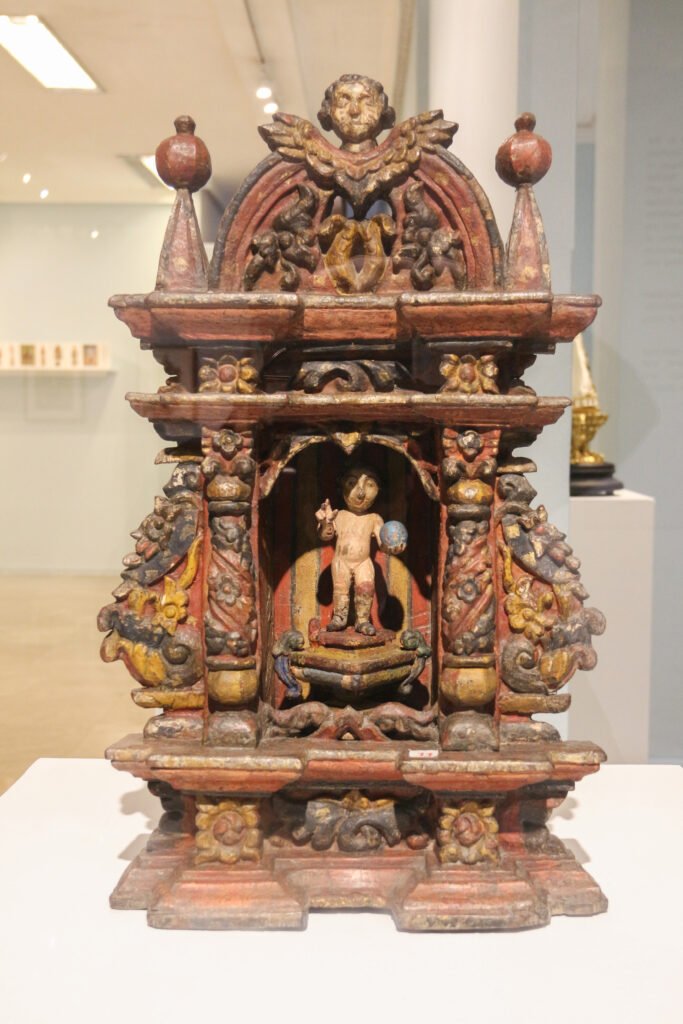
Bringing together a remarkable collection of Santo Niño images and sculptures from across the Philippines, Balaang Bata showcases works drawn from private collections—many of them more than a century old—that reflect generations of faith, artistry, and cultural tradition. Carved from various types of wood and shaped by everyday devotion, the pieces reveal how belief in the Holy Child has been lovingly passed down within Filipino homes and communities.
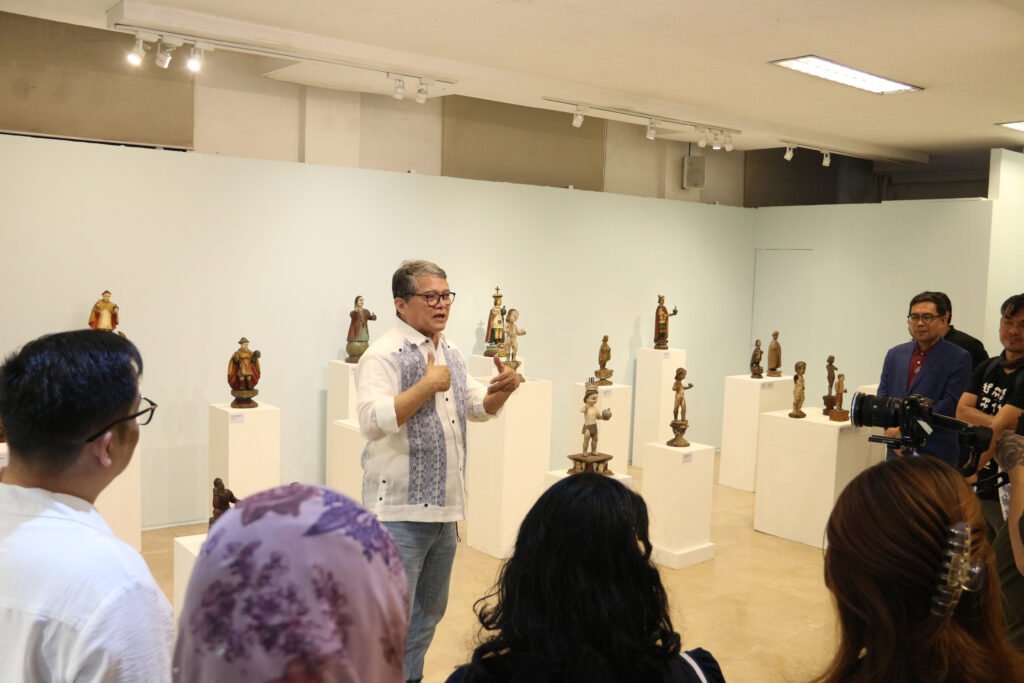
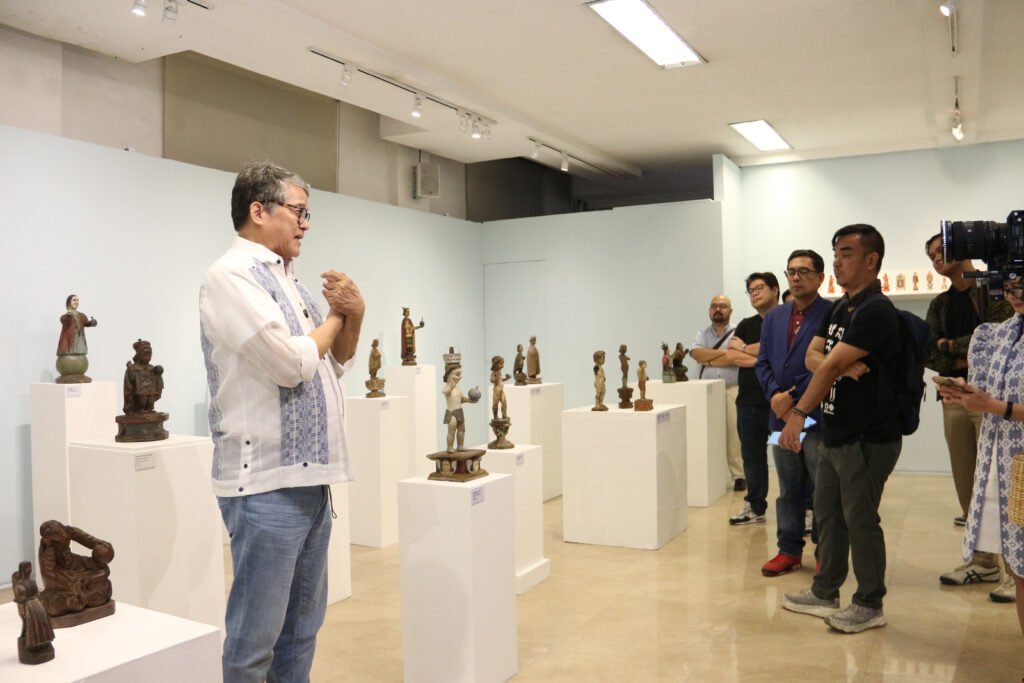
In his welcome message, Zerrudo described the exhibition as NCCA’s way of “beginning on the right foot” for 2026, emphasizing the importance of building strong networks among collectors, institutions, and communities in preserving shared cultural memory.
Present at the opening were collectors Claude Tayag, Francis Ong, Jayson Maceo, Jun Fulgencio, Anthony Agustin, and Oliver Abusan—individuals whose private collections play a crucial role in safeguarding and sharing the nation’s cultural heritage.
“At the end of the day, why do we collect? We collect to be able to share it back to the community,” said collector Francis Ong. “We’re helping build the narrative, the story, because this is the history of our people.”
Drawing from its curatorial text, Balaang Bata traces the roots of Santo Niño devotion to 1521, when a small wooden image arrived on Philippine shores during the first encounter with Spain. What began as a symbol of conquest was transformed by Filipino hands into an object of intimacy and affection. The Holy Child became approachable and tender—divinity made small enough to hold, dress, and speak to.
Over centuries, devotion to the Santo Niño found its place not only in churches and chapels but also in homes, city plazas, and even public transport. He became a companion in hardship and a silent witness to whispered prayers—clothed in velvet and gold, crowned not with power but with love.
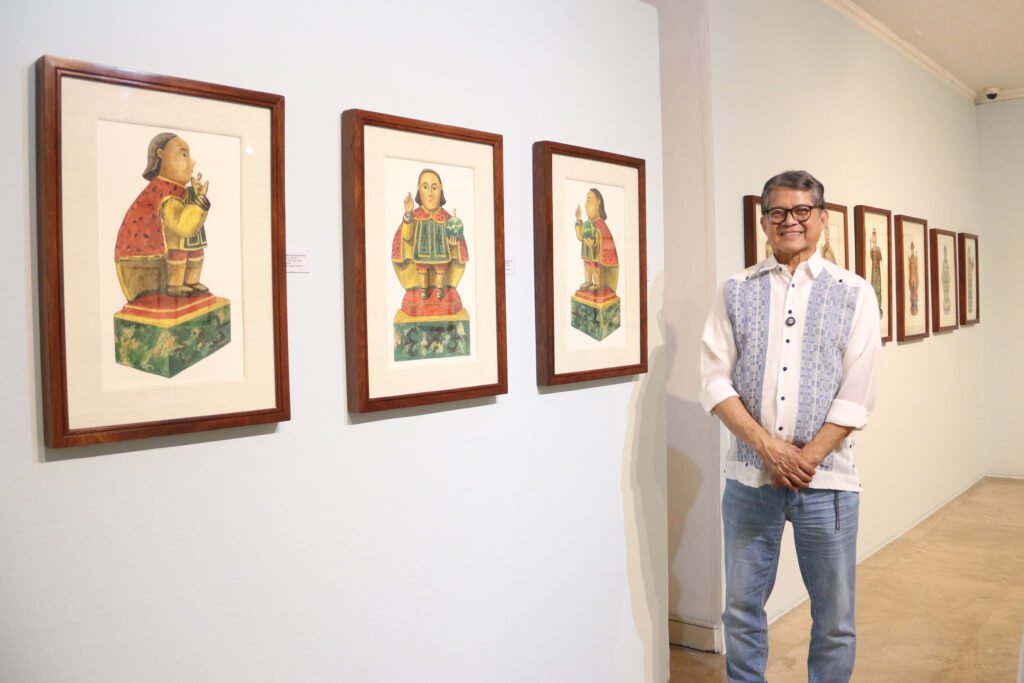
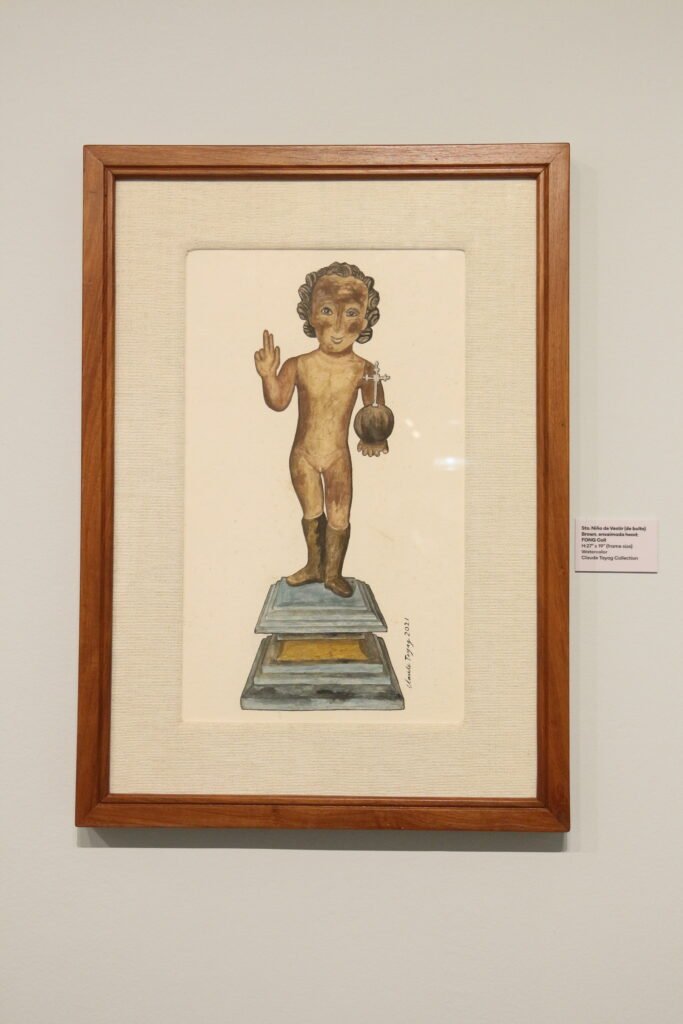
“Galing ’yan sa mga bahay-bahay,” said collector Claude Tayag, referring to the pieces he contributed. “Most of them are made by ordinary farmers or fishermen.” The exhibition also features Tayag’s personal collection of Santo Niño paintings, created by the artist himself.
Each January, this deeply personal devotion spills into the public sphere through festivals such as Sinulog, Ati-Atihan, and Dinagyang, where faith takes on rhythm and movement—feet shuffling in prayer, bodies swaying in gratitude, and voices rising in chants of ‘Viva Pit Señor!’
Balaang Bata invites visitors to encounter the Santo Niño not merely as a religious icon, but as a living presence woven into Filipino everyday life—an enduring symbol of faith, continuity, and resilience.
The exhibition is open to the public at the NCCA Gallery, Intramuros, from Monday to Sunday, 9:00 a.m. to 6:00 p.m.