

Solar farms are increasingly being designed not only to generate clean electricity but also to safeguard the land and nearby communities, according to Aboitiz Renewables, Inc..
In tropical countries like the Philippines, abundant sunlight makes solar power a strong renewable energy option. However, experts note that open land exposed to intense heat and heavy rains can quickly dry out, harden, or erode. Without proper management, soil may wash into rivers and communities during heavy downpours.
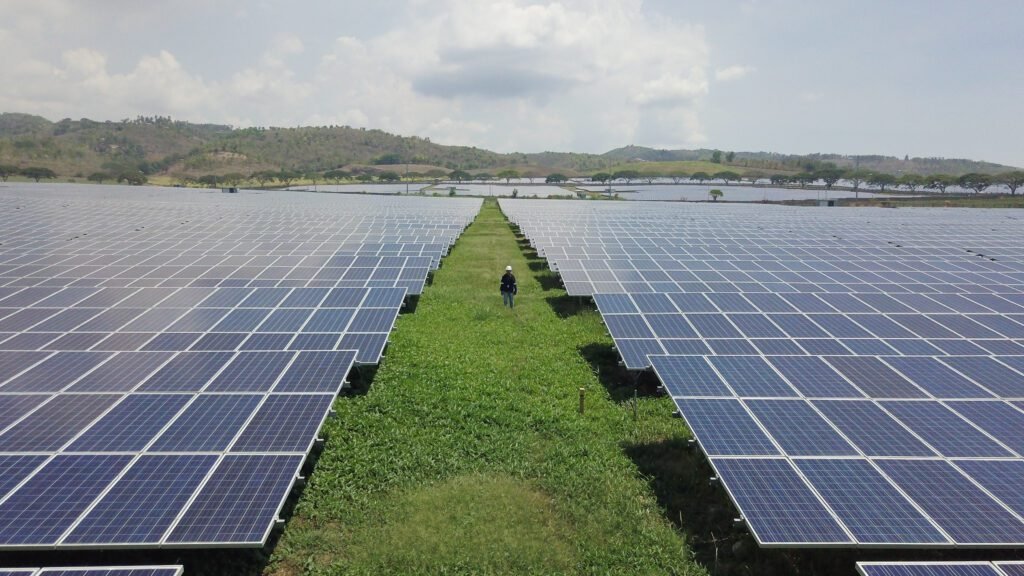
To address this, modern solar farms incorporate vegetation management as part of their design. Grass is allowed to grow beneath and around solar panels, where it plays a key role in stabilizing soil and reducing runoff.
“Grass under the panels still receives enough sunlight from the sides for photosynthesis,” said Cris Vincent Alidon, Vice President for Engineering and Execution at Aboitiz Renewables. Panels are strategically spaced to allow morning and afternoon light to reach the ground, while providing shade during peak midday heat. This setup creates a cooler microclimate that supports plant growth.
Healthy vegetation helps slow rainwater flow, reduce soil erosion, and lower the risk of flash floods and landslides. Cooler ground temperatures may also improve the efficiency of solar panels.
Engineers also plant stronger grass varieties along panel edges, where rainwater typically drips. These act as natural barriers that help control water flow and further prevent soil erosion, protecting nearby waterways and communities.
“Solar farms that are planned well help grass grow, keep soil safe, and manage rainwater effectively,” said Leo Lungay, Vice President and General Manager for Solar and Wind at Aboitiz Renewables. “Clean energy and environmental stewardship can go hand in hand.”
With careful planning and ecosystem-sensitive design, solar farms demonstrate that renewable energy development can generate power while nurturing the land beneath it.