
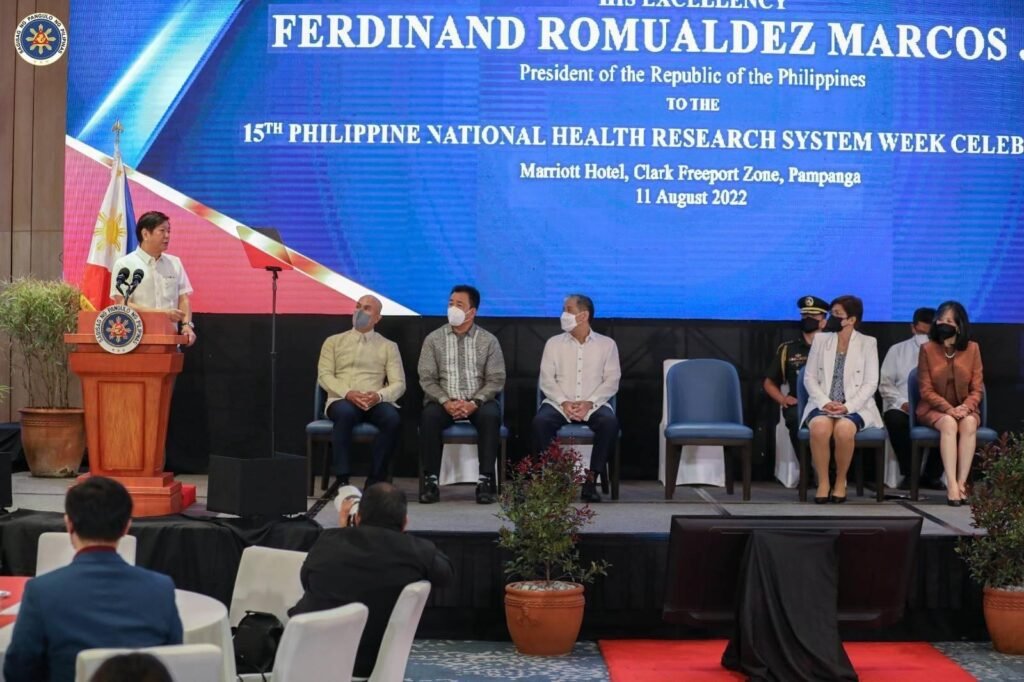
The Commission on Higher Education (CHED) and University of the Philippines (UP) Manila expressed support in strengthening health research and development in the country.
CHED Chairperson J. Prospero De Vera III said strengthening the research community is crucial in evidence-based policy-making.
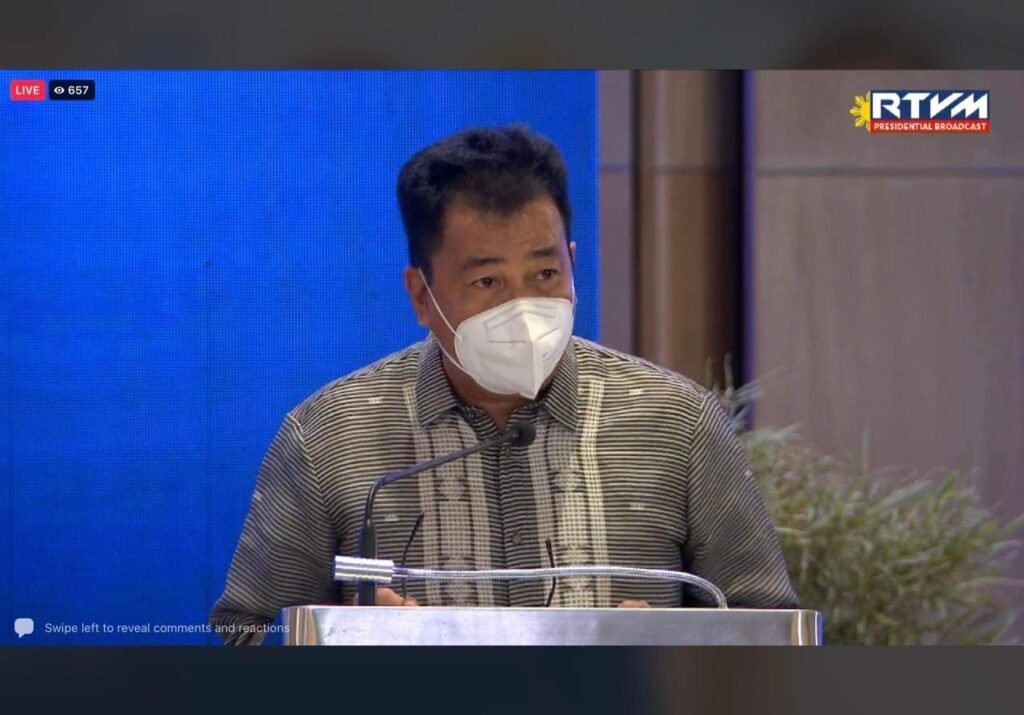
He underscored the importance of research as he recalled the challenges during the start of the COVID-19 pandemic when data on the ground was scarce as everything happens too fast.
“In March 2020, the country closed its borders and restricted inter-local government unit travel as the pandemic moved too fast for comfort. As a member of Inter-Agency Task Force for the Management of Emerging Infectious Diseases, my most difficult problem during that time was making decisions that were not based on a lot of science data,” he shared during the celebration of the 15th Philippine National Health Research System (PNHRS) Week.
The activity, held in Clark Freeport Zone, was keynoted by President Ferdinand R. Marcos Jr.
“This event [PNHRS Week], therefore, is important as it serve as a platform for the health research community to share their insights, best practices and experiences in developing innovative solutions to contribute to the national recovery effort through health research and development,” De Vera added.
As part of CHED’s commitment, he bared the mobilization of higher education community in conducting a research on the impact of the pandemic on the learning outcomes and competencies of the students.
He also shared the plan to increase the Science, Technology, Engineering, and Mathematics graduates, the opening of new medical programs in seven universities, and the lifting of the 11 year-moratorium on the offering of new nursing programs.
“This improvement of our health manpower and our research instructions is the contribution of the commission to make sure that the instructions in the State of the Nation Address are realized as fast as possible,” De Vera noted.
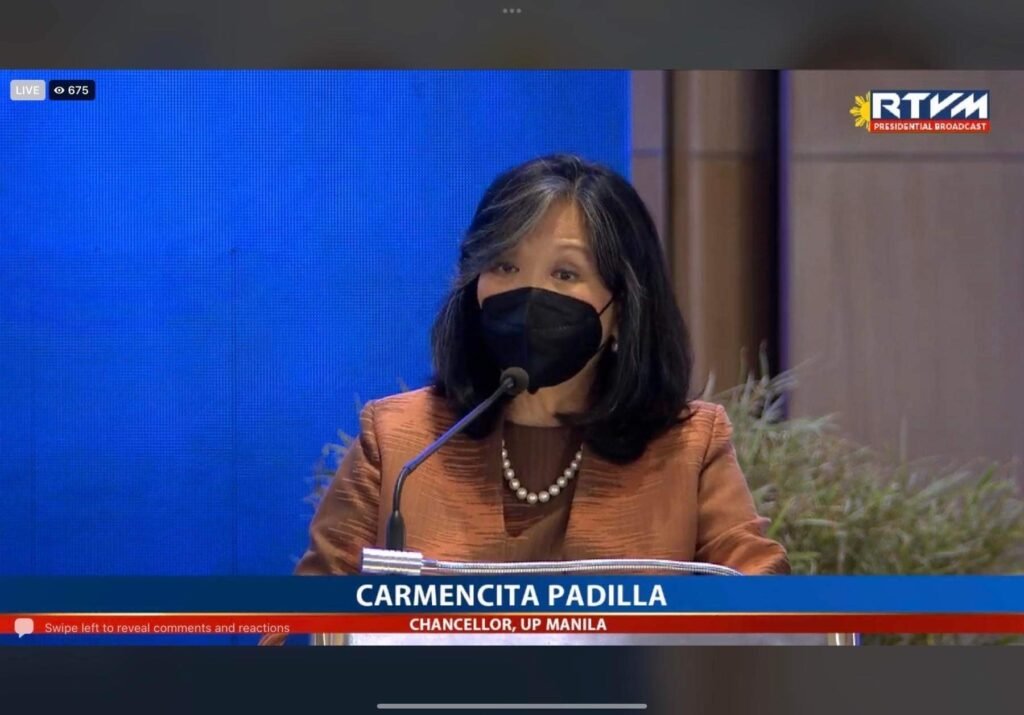
UP Manila Chancellor Carmencita Padilla disclosed that they are ready to develop a Manila Science Park for local discoveries at the New Clark City in Capas, Tarlac.
“We, as active partners in pursuit of a robust nation-building through health, continue our relentless efforts of enhancing health through research,” she noted.
Padilla highlighted that the complexity of new and old threats, and the demand for efficiency in emergency response systems point to the need for research.
“Without research, gaining control over any pandemic or disaster or restoration is impossible. Our experience with the COVID-19 pandemic where we started from nothing in terms of Science is a proof of how research played a central role in acquiring wisdom toward its treatment and prevention,” she said.
Padilla furthered stressed that the pandemic provided an opportunity to reconfigure the health systems for greater responsiveness, and the role of science in informed decision-making.
“Indeed, collaboration is crucial in research at all times. It is imperative that the government, the academe, represented by various universities today, and other sectors work together toward efficient response and recovery,” she added.
Carrying the theme, “Health Research: Responding to Challenges Towards National Recovery and Resiliency”, the week-long PNHRS celebration serves as a venue for the health research community to share their insights, best practices, and experiences in developing innovative solution to contribute to national recovery towards achieving resilience through health research and development.
It is celebrated every second week of August in accordance with Presidential Proclamation No. 1309, series of 2007. (PIA 3)