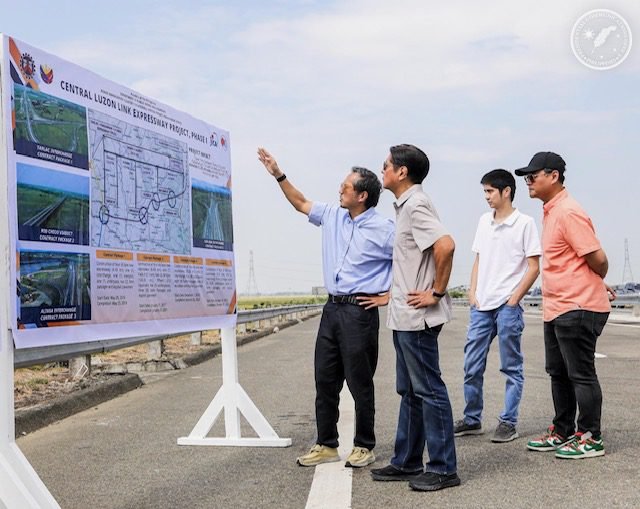
Travel time between Tarlac and Cabanatuan City is expected to drop from one and a half hours to just 20 minutes following the opening of Contract Package 4 of the Central Luzon Link Expressway (CLLEX).
The newly opened segment connects directly to the Tarlac–Pangasinan–La Union Expressway, enabling faster and more efficient travel for motorists across Central Luzon.
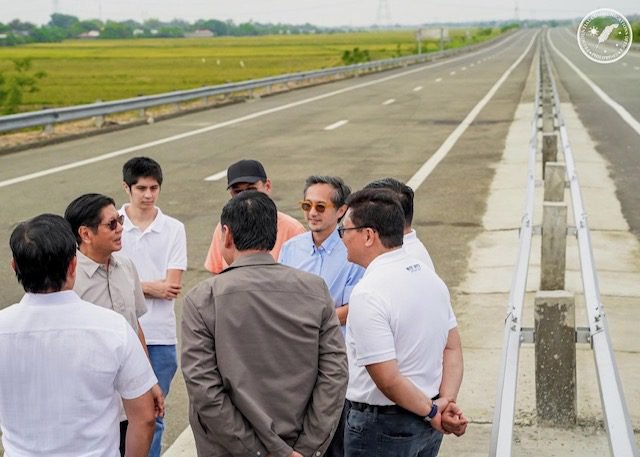
Among those set to benefit is motorist Mark Jaybert Nolasco, who regularly travels between the two cities for his small lechon business. He said the shorter route will help cut fuel expenses and support stable pricing of goods.
Public Works and Highways Secretary Vince Dizon highlighted the importance of the project amid rising fuel costs.
“Kasi ‘pag napaiksi natin yung oras ng biyahe ng mga kababayan natin, bababa ang konsumo ng gasolina at diesel, bababa rin ang gastos nila. Tapos, mas madali pa silang makakauwi sa mga pamilya nila nang mas mabilis,” Dizon said.
He added that the expressway will also help decongest MacArthur Highway, particularly during peak travel periods such as Holy Week.
Meanwhile, Acting Transportation Secretary Giovanni Lopez said infrastructure projects like CLLEX are vital in ensuring efficient mobility and stable commodity prices.
“Ito po ay isang magandang proyekto sapagkat kapag ginagamit na natin ito, maiiwasan din natin ang mga traffic pagdating sa ating mga alternate roads… At ang isa sa mga pinag-uusapan nga namin ni Secretary Vince, at least makakatulong din tayo sa kalakal ng mga goods natin, at makakadagdag sa pag-stabilize ng presyo ng mga bilihin,” Lopez said.
The new segment, stretching from the San Juan Interchange in Aliaga to the Cabanatuan exit, completes Phase 1 of the 29.2-kilometer, four-lane expressway. It is expected to serve around 11,500 motorists daily.
President Ferdinand R. Marcos Jr. led the opening of the segment and announced it will be toll-free until December to help ease traffic along MacArthur Highway.
The ₱10-billion CLLEX Phase 1 project was funded through official development assistance from the Japan International Cooperation Agency and forms part of efforts to strengthen Luzon’s transport network through improved east-west connectivity.