
𝗞𝘂𝘄𝗲𝗻𝘁𝗼𝗻𝗴 𝗣𝗲𝘆𝘂𝗽𝘀 𝗔𝘁𝗯𝗽. 𝗯𝘆 𝗔𝘁𝘁𝘆. 𝗗𝗲𝗻𝗻𝗶𝘀 𝗚𝗼𝗿𝗲𝗰𝗵𝗼
BOHOL is “sinking” during May is a popular joke among Boholanos because the population of the island during this month is multiplied twice, thrice, or even four times.
May is a special month in the island because a fiesta occurs somewhere—in a sitio, barangay, town or city on a daily basis.
Known as a reverse exodus or “balikbarrios”, it is at that time that most Boholanos return home, begin flocking back to their small barrios of Bohol, coming from Manila, or from the other places where they have settled, both within and outside the Philippines, to celebrate the fiesta in their native place.
Bohol is the 10th largest island of the Philippines with a land area of 4,821 km2 and a coastline 261 kilometers long.
Bohol is also the province with the most towns in the Philippines, totaling 47 towns, and 1 component city (Tagbilaran City) along with 1,109 barangays.
Bohol derived its name from the word Bo-ho or Bo-ol, a kind of tree that flourished on the island described as having heart-shaped leaves and bluish fruit.
It is the seat of the first international treaty of peace and unity between Datu Sikatuna, a native chieftain and Miguel Lopez de Legaspi, a Spanish conquistador on March 16, 1565 through a blood compact known today as Sandugo.
Fiestas serve as celebrations of Bohol’s rich cultural tapestry, infused with the influences of indigenous traditions, Spanish colonization, and contemporary Filipino culture.
Date of fiestas in Bohol vary from town to town yet most of the feast days fall on the month of May, earning it the name the “Fiesta Month”.
Characterized by an abundance of food and merriment, not a single day will pass without a fiesta somewhere on the island during the month-long revelry.
The fiesta of Bohol’s capital city Tagbilaran (in celebration of the city patron Saint Joseph the Worker) serves as the kick-off of the Fiesta month on the first day of May.
It is a known fact that Filipinos take fiestas seriously as part and parcel of our culture.
Fiesta to honor patron saints’ day or other religious occasions are telltale signs of the influence of Spaniards in the Philippines as a Catholic country.
Fiesta means “feast” from the Latin word “festus” meaning “festive, joyful, or merry.”
The roots of Philippine fiestas go back even further than Spanish colonial rule.
Pre-Hispanic Filipinos had their own set of cultures and traditions Including worshipping many gods or anitos. They made regular ritual offerings to placate the gods.
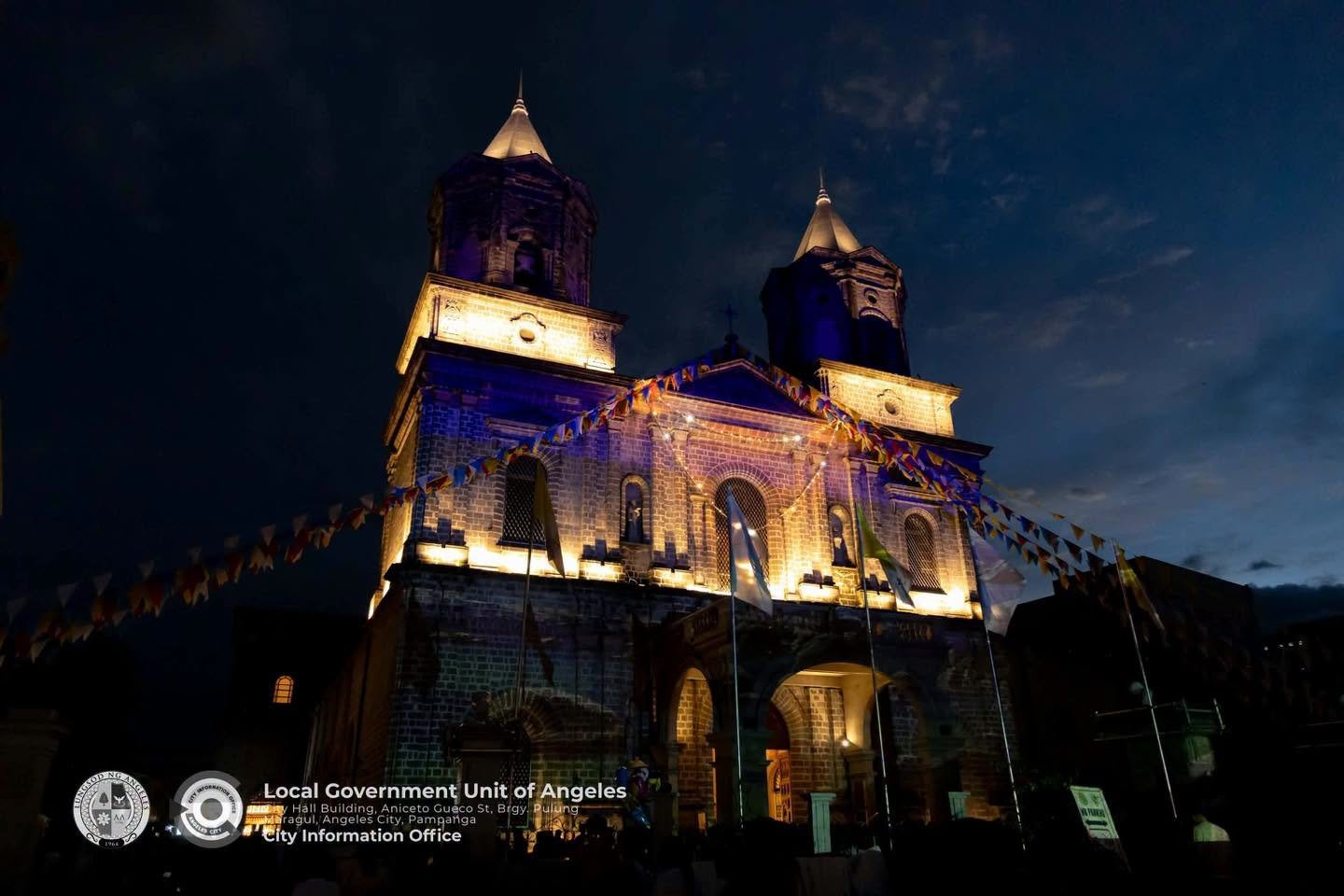
When Spanish missionaries came to the Philippines in the 1500s, they discovered that the fiesta was a helpful tool to help teach Filipinos the Roman Catholic faith and its saints, as indigenous Filipinos already had a sense of patronage of a deity for their mostly pagan practices and rituals.
The fiesta or feast commemorates a particular saint, and towns and cities have historically adopted one saint as their patron for one reason or another in place of the pagan gods they were used to honoring.
Others commemorate certain important events in history of the country like the passage of the seasons.
Fiesta is celebrated as a thanksgiving for blessings bestowed upon the people, the livelihood and life of the town.
In some areas, the feast day of a saint is not only celebrated as an event, but the saint’s name is adopted as the name of the town itself.
Every town and city in the Philippines has a fiesta of its own; an excuse for locals to share their best food and their most potent potables with adventurous outsiders.
Each fiesta has a unique theme which defines the flavor through a set of activities, such as religious processions, live brass bands, street dancing or parade of dancers in colorful costumes and props, high masses, sports fest, beauty pageants, cultural shows and performances.
Boholanos are known to splurge during fiestas characterized by an abundance of food, overflowing beer and liquor and mass gatherings. It is time of the year when old folks seem to have mastered the art of putting out most of their earnings for the year.
What makes the Bohol fiestas unique is that anyone can travel around the province by hopping from town to town and from barangay to barangay for the entire month to partake on free food because everyone is putting up a feast on any given day.
Every home becomes an “open house” for everyone as there is no need for an invitation. One can just grab his plate and join the guests.
It was fiesta time May 1996 when I first visited my family’s hometown in Matabao, Tubigon. Barrio Matabao’s fiesta is on May 8 while Tubigon celebrates its fiesta on May 15 to honor the town patron San Isidro Labrador.
“Nagpapasalamat kami sa Ginoo kay sa panahon sa pista nagkakita ang tanan mga kaigsoonan ug kaparentehan,” one of my lolas said in the Visayan vernacular, meaning that they are thankful to God that close family ties remain in the island of Bohol.
*****
(𝐴𝑡𝑡𝑦. 𝐷𝑒𝑛𝑛𝑖𝑠 𝑅. 𝐺𝑜𝑟𝑒𝑐ℎ𝑜 𝑖𝑠 𝑎 𝐽𝑢𝑛𝑖𝑜𝑟 𝑃𝑎𝑟𝑡𝑛𝑒𝑟 𝑤ℎ𝑜 ℎ𝑒𝑎𝑑𝑠 𝑡ℎ𝑒 𝑠𝑒𝑎𝑓𝑎𝑟𝑒𝑟𝑠 𝑑𝑖𝑣𝑖𝑠𝑖𝑜𝑛 𝑜𝑓 𝑡ℎ𝑒 𝑆𝑎𝑝𝑎𝑙𝑜 𝑉𝑒𝑙𝑒𝑧 𝐵𝑢𝑛𝑑𝑎𝑛𝑔 𝐵𝑢𝑙𝑖𝑙𝑎𝑛 𝐿𝑎𝑤 𝑂𝑓𝑓𝑖𝑐𝑒𝑠. 𝐹𝑜𝑟 𝑐𝑜𝑚𝑚𝑒𝑛𝑡𝑠, 𝑒-𝑚𝑎𝑖𝑙 𝑖𝑛𝑓𝑜@𝑠𝑎𝑝𝑎𝑙𝑜𝑣𝑒𝑙𝑒𝑧.𝑐𝑜𝑚, 𝑜𝑟 𝑐𝑎𝑙𝑙 09088665786.)