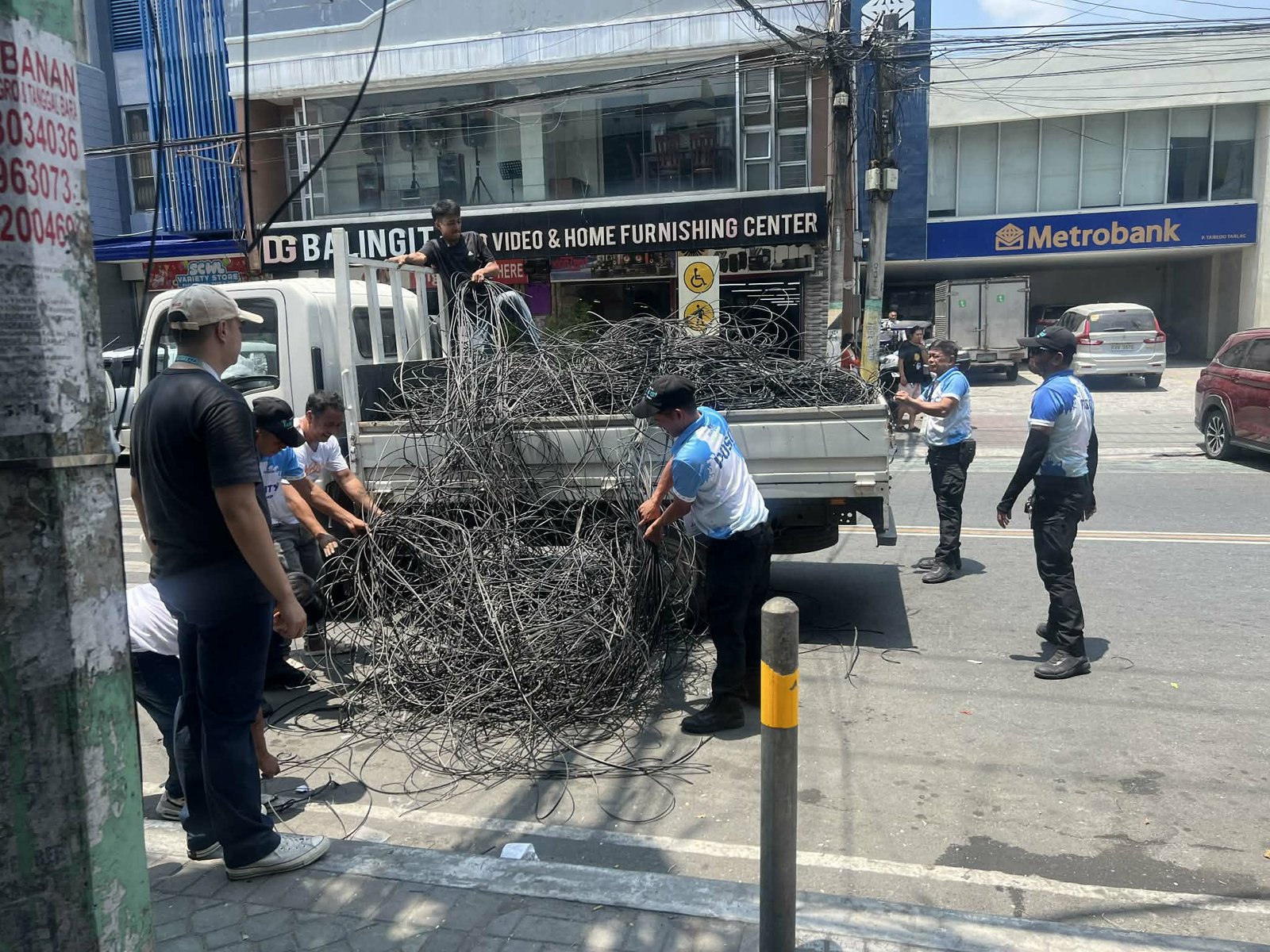


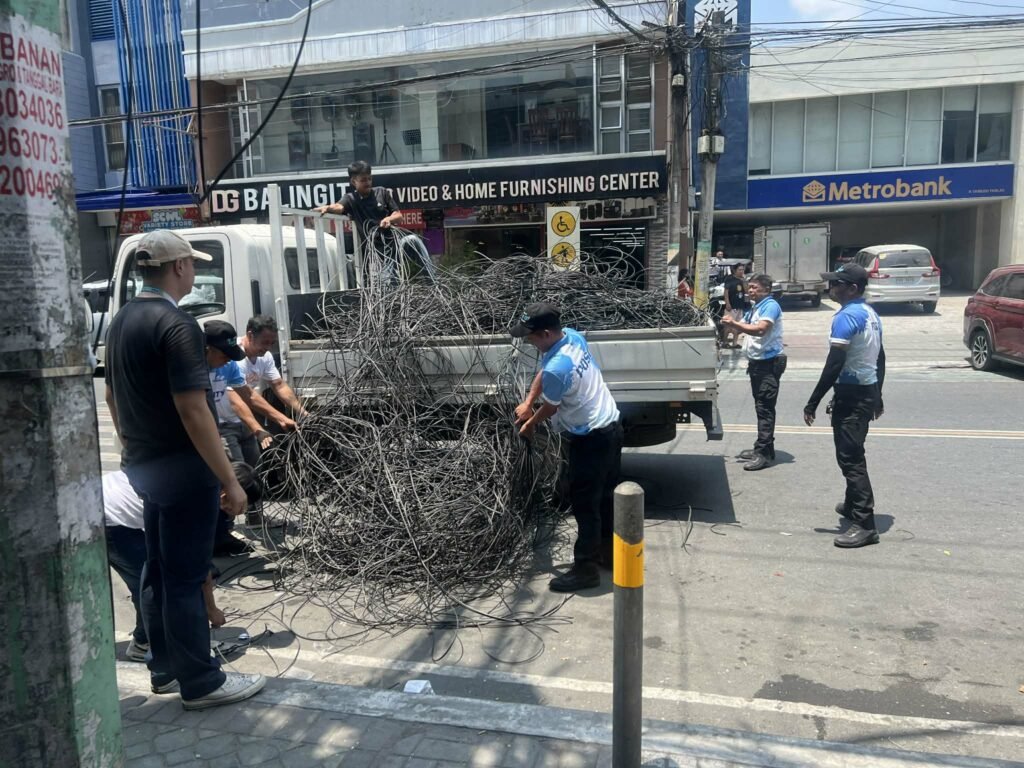

Globe reported an 18% decline in fiber cut incidents in the first half of 2025 compared to the same period last year, citing tighter security measures, stronger collaboration with local government units (LGUs) and communities, and ongoing infrastructure fortification efforts.
The improvement highlights the success of Globe’s Fiber Cut Task Force (FCTF), launched in 2024 to address the growing number of network disruptions caused by accidental or intentional fiber damage.
“The improvements demonstrate Globe’s commitment to ensuring a consistent and reliable network for all our customers,” said Joel Agustin, Senior Vice President and Head of Service Planning and Engineering. “A reliable network is essential to support the country’s growing digital economy, and these results affirm that our proactive approach is delivering measurable results.”
Strengthening Network Resilience
Since its launch, the task force has implemented preventive measures such as improved cable layout design, infrastructure fortification, and expanded underground installations. Globe has completed 1,500 kilometers of underground fiber facilities nationwide, helping prevent over 190 fiber cut incidents. Preventive maintenance in high-risk areas has also reduced recurring incidents by up to 93%.
Cable theft and pilferage remain key causes of fiber damage. To combat this, Globe deployed live CCTV cameras in theft-prone areas like Barangay Tatalon, Quezon City, which led to an 80% drop in incidents. The initiative is now being expanded to other parts of Metro Manila.
The company also partnered with LGUs to introduce livelihood and wellness programs in vulnerable communities, transforming deterrence into sustainable engagement.
“The telco landscape is shifting, and we need hyperfocused, proactive measures to safeguard our infrastructure,” Agustin added. “Our collaboration with communities and LGUs, plus our preventive programs, are helping ensure a more stable, secure network for customers nationwide.”
Sustained Investments for Connectivity
Globe continues to strengthen its network through 1,200 wireless and broadband node upgrades and 1,600 kilometers of backbone fiber migration underground.
These efforts, the company said, are part of its long-term commitment to maintain a stable, future-ready network that keeps Filipinos connected across mobile, broadband, and enterprise services.