
𝗞𝘂𝘄𝗲𝗻𝘁𝗼𝗻𝗴 𝗣𝗲𝘆𝘂𝗽𝘀 𝗯𝘆 𝗔𝘁𝘁𝘆. 𝗗𝗲𝗻𝗻𝗶𝘀 𝗚𝗼𝗿𝗲𝗰𝗵𝗼
“Aping api mga Pilipino. It is very frustrating for an old man like me to see how things are going in this country. Sana abutan ko pa ang panahon ng tunay na pagbabago para sa mahihirap.”
Actor Bembol Roco lamented that nothing has significantly changed in the country in relation to his portrayal of Júlio Madiaga in “Maynila sa mga Kuko ng Liwanag” that was first shown 50 years ago, July 16, 1975.
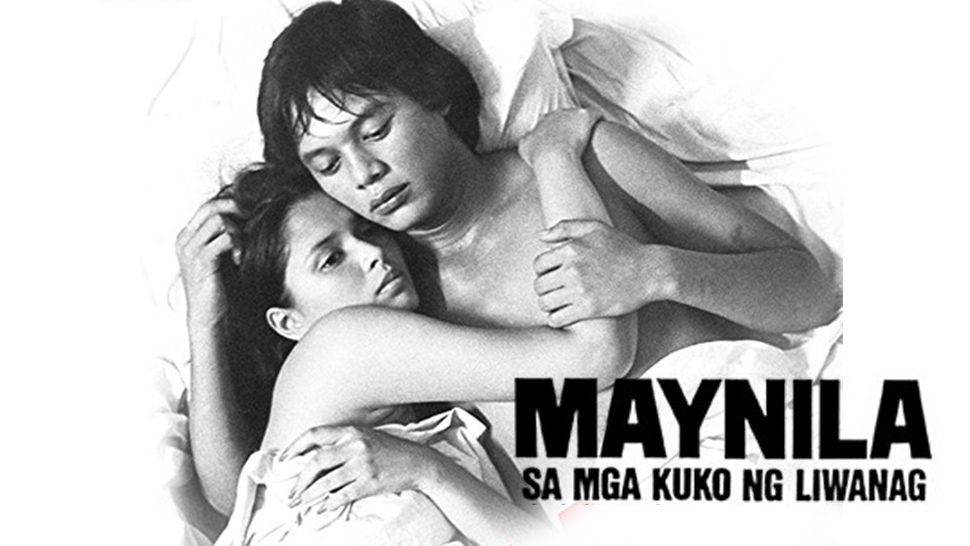
To mark the film’s golden anniversary, the University of the Philippines (UP) Film Center was full packed with eager students last July 16, 2025 as the film was screened anew on the very date – July 16 – that it opened in theaters nationwide back in 1975. Most of the students are not yet born that time.
The movie is a 1975 Philippine neo noir drama mystery film directed by Lino Brocka from a screenplay written by Clodualdo del Mundo Jr., based on the novel by Edgardo M. Reyes.
Before it was published in book form, Reyes wrote it as a series from 1966 to 1967 for Liwayway, a weekly magazine in Filipino.
The film stars Hilda Koronel as Ligaya Paraiso, Lou Salvador, Jr., Tommy Abuel, and in his film debut, Rafael Roco, Jr. now known as Bembol Roco for the title role of Julio.
The film features cinematography by Mike de Leon and editing by brothers Edgardo and Ike Jarlego. It tells the tragic love story of Júlio, a young man from the province of Marinduque who arrives in Manila for a mission to find his lover Ligaya.
Ligaya was brought to the city purportedly to study and work before falling victim to a sex trafficking ring.
Julio has to survive the conditions in the capital city, contending with issues like crime and prostitution.
The film was shot almost entirely on location—in real streets, job sites, slums, and brothels. Brocka made sure the audience saw the dirt, the noise, the density, the daily humiliations.
It touched urban migration, where people from the province gamble their lives by going to Manila because of the promise of a better salary and a higher quality of living.
Fueled by hope and love, Julio is the classic story of rural migration—taking on jobs in construction and sex work, he struggles for survival in a ruthless urban environment in the midst of an alienating metropolis.
It is a battlefield where people need to be constantly on the move to earn enough money.
In 1976, the FAMAS Awards gave it the Best Picture trophy, Best Director for Brocka, Best Actor for Roco and Best Supporting Actor for Abuel along with Best Screenplay, Best Cinematography, and Best Sound awards.
Roco said that Jay Ilagan was supposed to play the role of Julio. But due to his increasing weight problem, he had to quit. The role went to the then newcomer Roco.
“Let your eyes speak, even without a word.” Brocka told the neophyte actor Roco in the same way Nora Aunor is known for her powerful and expressive acting, often cited for the emotional depth she conveys through her eyes.
“Fifty years ago. Hollywood had Jaws to rewrite the rules of the industry game. In the Philippines, there was Maynila sa mga Kuko ng Liwanag that altered the course of local filmmaking to give full form to the art of cinema as critique of society!,” the UP Film Center said in its Facebook account.
The 1975 film is considered one of the greatest Philippine movies of all time and helped Brocka achieve legendary status among Filipino cineastes.
Already vocal about his political stance, he used his films to counter the Martial Law regime’s propaganda.
Brocka treads on the impoverished cityscapes of Manila and explores it to its full depth; revealing the city’s underground horrors and the ‘real darkness” within.
The film was restored through the help of World Cinema Project of Martin Scorsese who described Brocka a “giant” whose films were “brave, extraordinary, powerful experiences.”
I was exposed to experimental films during my college years in the late ‘80s and ‘90s at the UP Diliman where I saw several highly sensitive and political films. The UP Film Center served as a venue to screen films free from censorship as some of them were even banned from commercial viewing.
Some of the films I saw included Lino Brocka’s “Maynila, Sa Mga Kuko ng Liwanag” (1975) and “Bayan Ko: Kapit sa Patalim” (1985), Ishmael Bernal’s “Himala” (1982), Mike de Leon’s “Sister Stella L.” (1984), and Marilou Diaz-Abaya’s “Karnal” (1984) and whose daring works portrayed revolt, labor unionism, social ostracism, and class division. Even “pene” films that had grown more pornographic and taboo were also screened.
“Although it is the duty of the artist to work for what is true, good and beautiful, first we must expose and fight what is wrong,” Brocka said in an interview.
In 1997, Brocka was given the posthumous distinction of National Artist for Film.
(𝑃𝑒𝑦𝑢𝑝𝑠 𝑖𝑠 𝑡ℎ𝑒 𝑚𝑜𝑛𝑖𝑘𝑒𝑟 𝑜𝑓 𝑈𝑛𝑖𝑣𝑒𝑟𝑠𝑖𝑡𝑦 𝑜𝑓 𝑡ℎ𝑒 𝑃ℎ𝑖𝑙𝑖𝑝𝑝𝑖𝑛𝑒𝑠. 𝐴𝑡𝑡𝑦. 𝐷𝑒𝑛𝑛𝑖𝑠 𝑅. 𝐺𝑜𝑟𝑒𝑐ℎ𝑜 ℎ𝑒𝑎𝑑𝑠 𝑡ℎ𝑒 𝑠𝑒𝑎𝑓𝑎𝑟𝑒𝑟𝑠’ 𝑑𝑖𝑣𝑖𝑠𝑖𝑜𝑛 𝑜𝑓 𝑡ℎ𝑒 𝑆𝑎𝑝𝑎𝑙𝑜 𝑉𝑒𝑙𝑒𝑧 𝐵𝑢𝑛𝑑𝑎𝑛𝑔 𝐵𝑢𝑙𝑖𝑙𝑎𝑛 𝑙𝑎𝑤 𝑜𝑓𝑓𝑖𝑐𝑒𝑠. 𝐹𝑜𝑟 𝑐𝑜𝑚𝑚𝑒𝑛𝑡𝑠, 𝑒𝑚𝑎𝑖𝑙 𝑖𝑛𝑓𝑜@𝑠𝑎𝑝𝑎𝑙𝑜𝑣𝑒𝑙𝑒𝑧.𝑐𝑜𝑚, 𝑜𝑟 𝑐𝑎𝑙𝑙 09175025808.)