
Sari-sari stores are stepping up for the back-to-school season by offering school supplies in “tingi” or small quantities, bringing essential items closer to students — especially in rural areas — according to a study by tech startup Packworks.io.
Using over a million monthly sales transactions from its network of 300,000 sari-sari stores via its Sari IQ platform, Packworks found a 31% increase in the number of partner stores located within 400 meters of schools, rising from 71,000 in 2023 to over 102,000 as of June 2025.
The trend is most visible in rural regions such as Zamboanga Peninsula (+77%), Cordillera (+70%), and Northern Mindanao (+55%). Sales figures reflect strong seasonal demand, with stores seeing a 130% sales boost in July 2024, and a 71% spike in June 2025, ahead of the June 16 school opening.
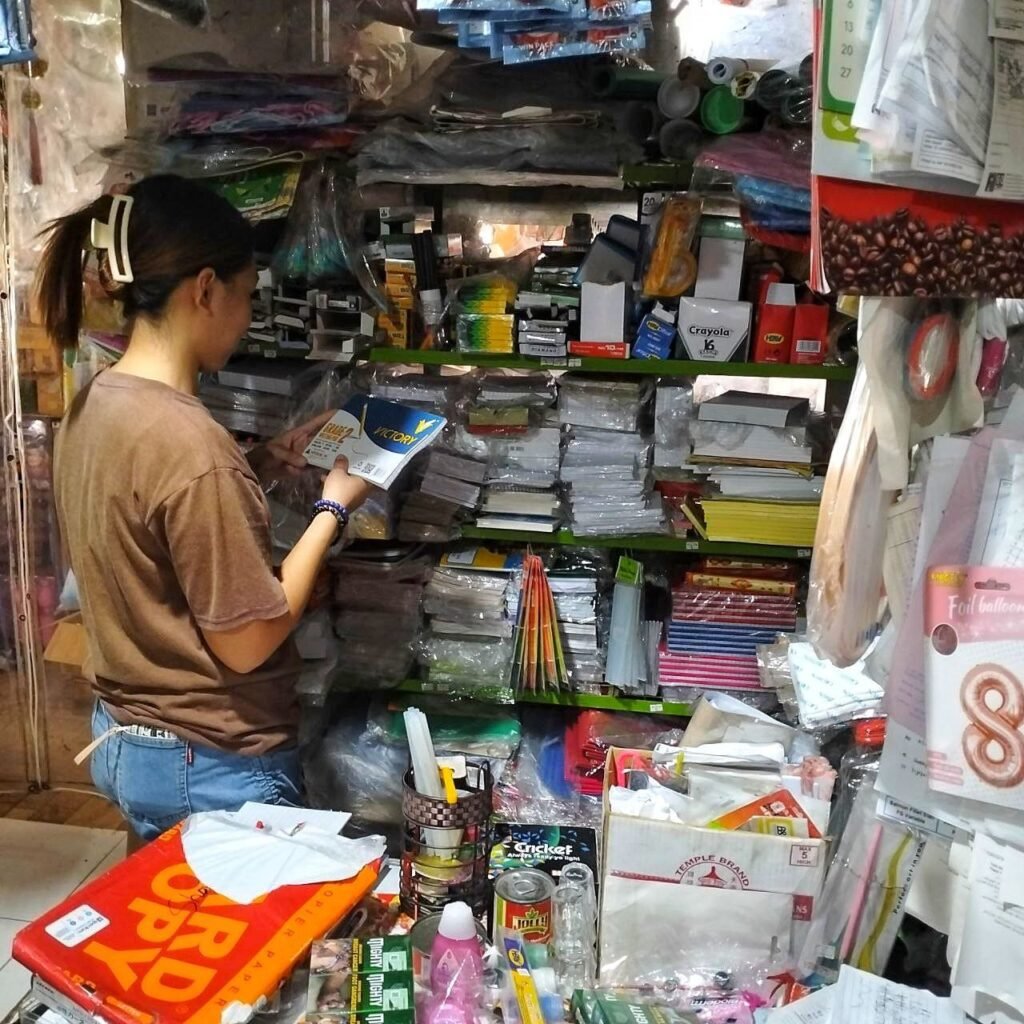
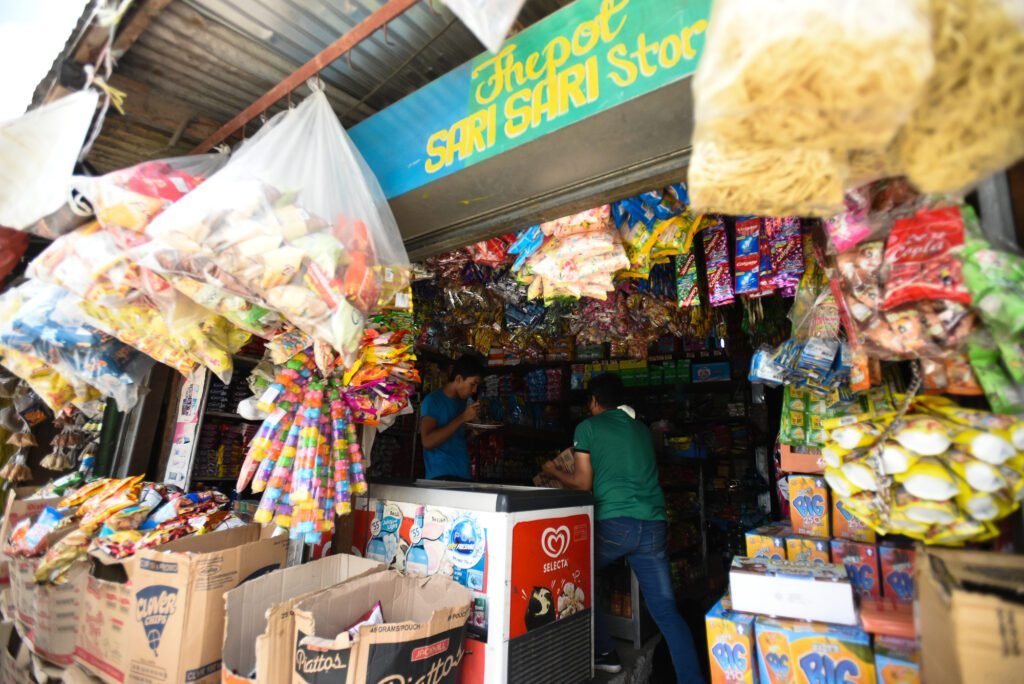
Although sales transactions rose by 9% from 2023 to 2024, total gross merchandise value (GMV) dipped by 3%, suggesting a pattern of smaller but more frequent purchases. Pad paper, colored pencils, and bond paper were the top-selling items.
“The ‘tingi’ model isn’t just surviving — it’s adapting,” said Packworks Chief Data Officer Andoy Montiel. “It shows how sari-sari stores play a strategic role in making education essentials more accessible, especially when rising school costs eat up over half of a household’s income.”
Packworks Chief Platform Officer Hubert Yap added that sari-sari store owners have proven agile in adjusting inventories to match seasonal and situational needs. “They’re not just responding to demand — they’re anticipating it,” he said, noting how stores remained accessible even during school suspensions caused by monsoon rains.
In the first half of 2025 alone, sari-sari stores generated PHP 795,000 in GMV from school supplies, showing continued strong demand heading into the academic year.