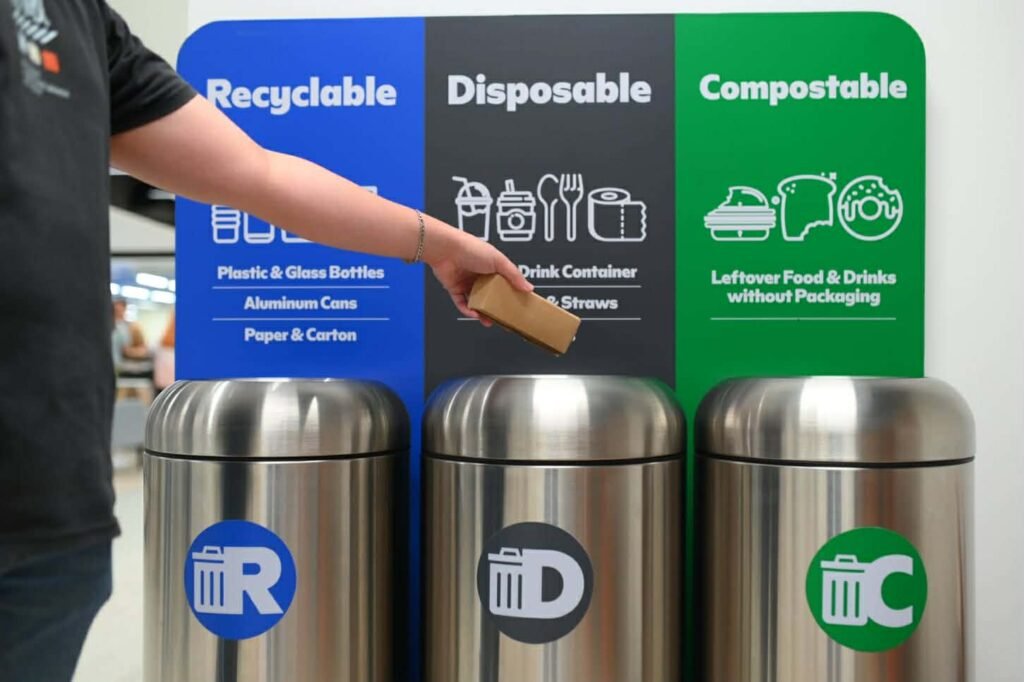
SM Supermalls is strengthening its nationwide sustainability campaign through its Recyclable–Disposable–Compostable (RDC) system, encouraging mallgoers to take part in building a circular and waste-free future.
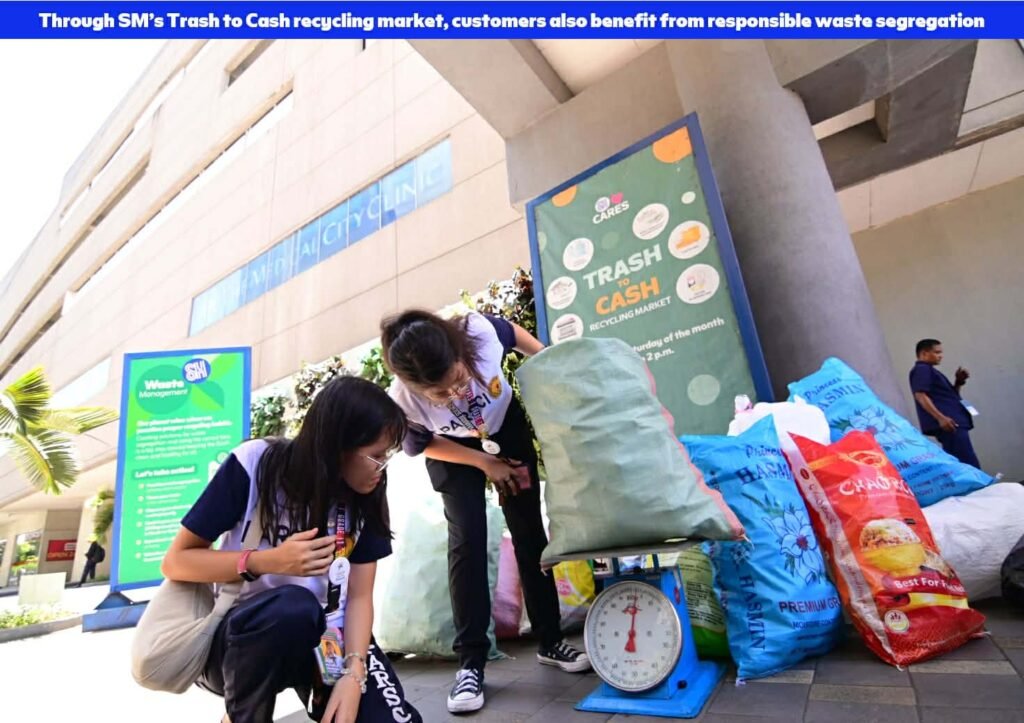
Installed across all SM malls, the RDC bins support the company’s #SMWasteFreeFuture initiative, which aims to divert waste from landfills, reduce methane emissions, and prevent soil and water contamination.
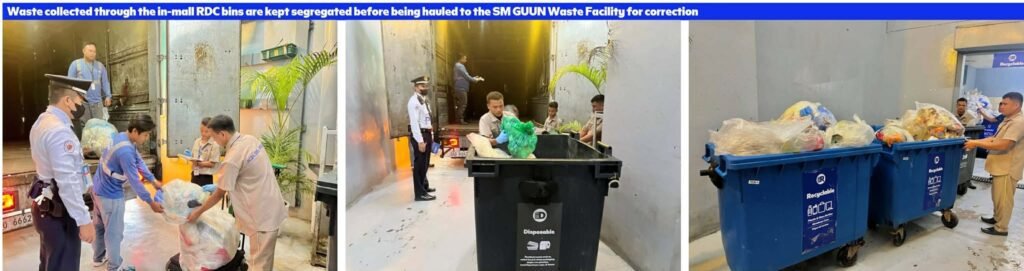
SM Supermalls Vice President for Corporate Compliance and Sustainability Liza Silerio said the program promotes responsible disposal habits while improving waste management efficiency to deliver measurable environmental benefits.

Waste Conversion Pathways
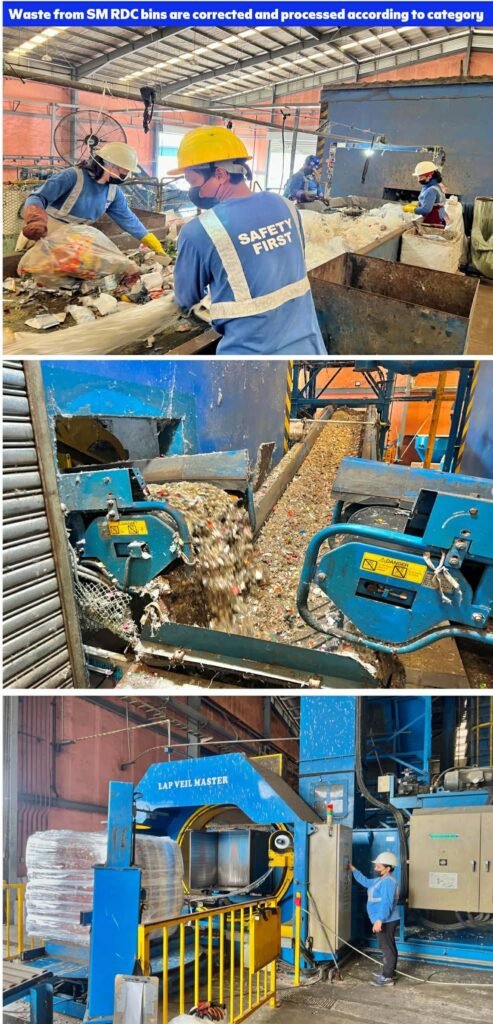
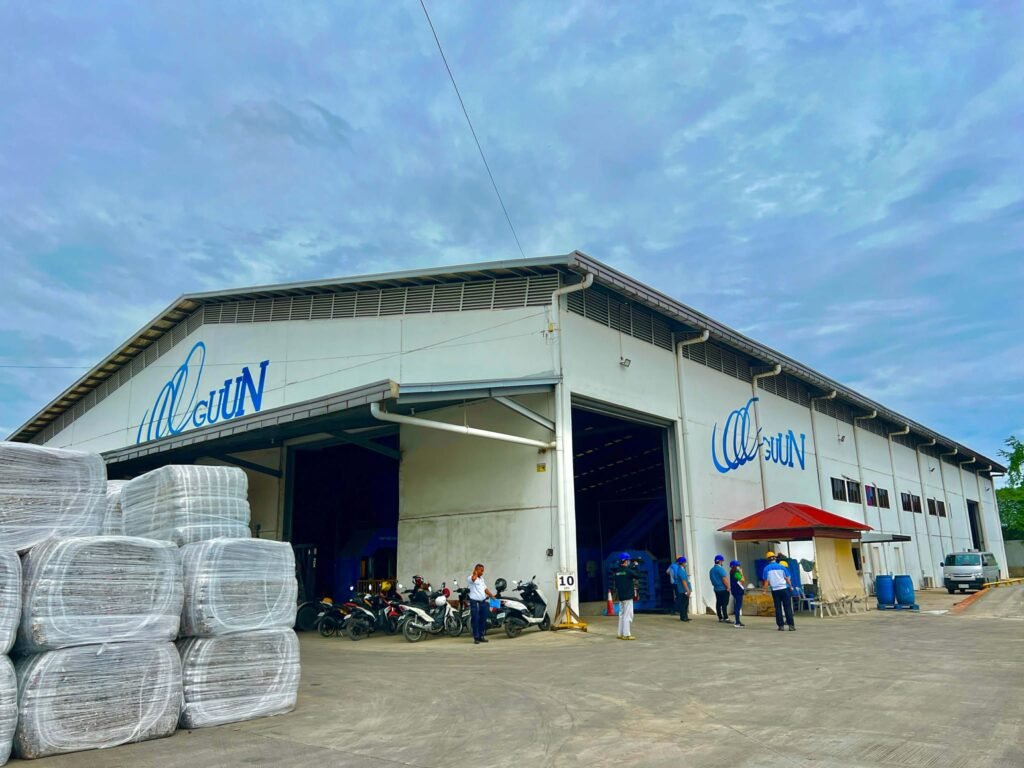
In 2024, SM established SM GUUN Environmental Company in Consolacion, Cebu, to process collected waste from Cebu malls. Materials are re-sorted and converted into industrial raw materials, alternative fuel, or soil, ensuring that waste is reintegrated into the value chain through corporate partnerships.
Blue Bin: Recyclable to RECYCLED
“Recyclable is only a promise, but RECYCLED is a promise kept.”
Recyclables include only three key items due to strong recycling infrastructure:
- Bottles (plastic and glass)
- Cans (aluminum and tin)
- Cartons
These are processed and returned to partners for reprocessing, including:
- San Miguel Yamamura – glass recycling
- Asia Brewery Incorporated – glass recovery
- Coca-Cola (PETvalue) – plastic bottle recycling
- Nature Spring (NS Sustainability Solutions) – plastic recycling
This streamlined system increases recycled content in future packaging materials.
Gray Bin: Disposable to FUEL
Non-recyclable waste such as cups, straws, rags, and hard-to-recycle containers are converted into coal-alternative fuel through sorting, shredding, and processing.
Cement manufacturing partners utilizing waste-derived fuel include:
- DMCI (Concreat)
- Holcim (Geocycle)
- Republic Cement (Ecoloop)
This reduces coal use while maintaining strict emission controls.
Green Bin: Compostable to SOIL
Food scraps and leftover meals are converted into landscaping soil within 48 hours, avoiding landfill disposal and methane emissions — a greenhouse gas significantly more harmful than carbon dioxide.
Urban greening partners include:
- J.CO Donuts & Coffee
- Goldilocks
According to the Department of Environment and Natural Resources, the country diverted over 246 million kilograms of plastic waste last year, exceeding its national target with a 56 percent diversion rate.
Through infrastructure, partnerships, and community participation, SM Supermalls continues to advance corporate-led sustainability efforts, proving that collective action can transform waste into valuable resources.