Senator Francis “Kiko” Pangilinan welcomed the issuance of Executive Orders 100 and 101, along with the government’s continued rice import ban and the planned increase in rice tariffs, calling them timely measures to support Filipino farmers, fisherfolk, and consumers amid rising fuel prices, natural calamities, and food security challenges.
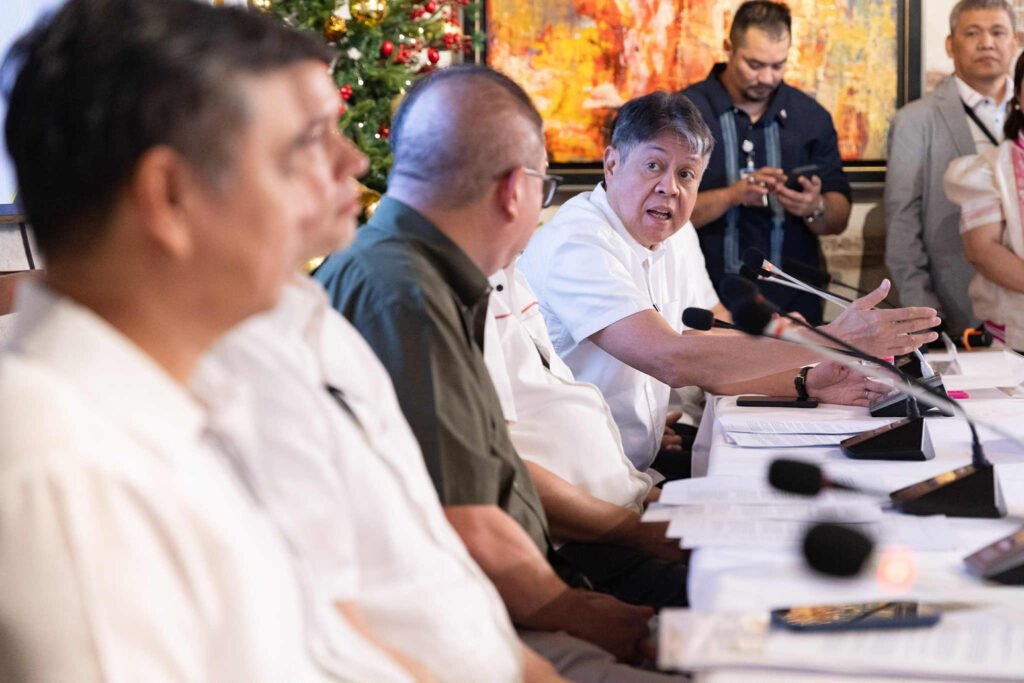
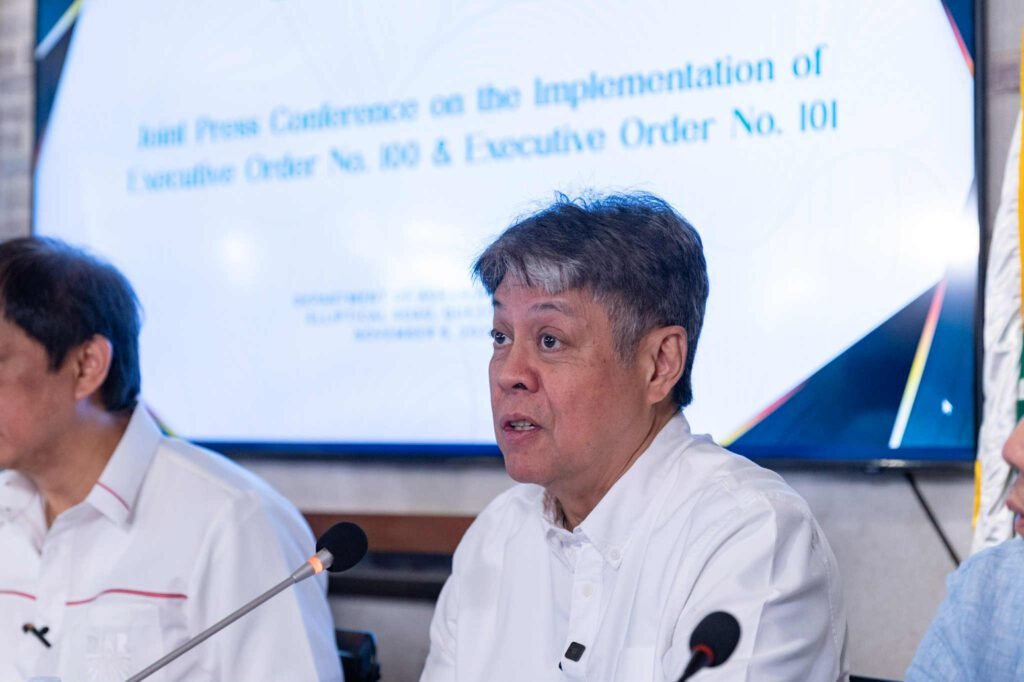
“Napapanahong sagip-buhay ang mga hakbang na ito para sa mga Pilipinong magsasaka, mangingisda, at mga mamimili sa gitna ng pagtaas ng fuel prices at sunud-sunod na kalamidad sa mga lalawigang naapektuhan ng lindol at bagyo. Sinasalamin ng mga ito ang isang mapagpasyang pagbabago tungo sa pagpapahalaga sa mga nagpapakain sa atin,” Pangilinan said during a joint press conference.
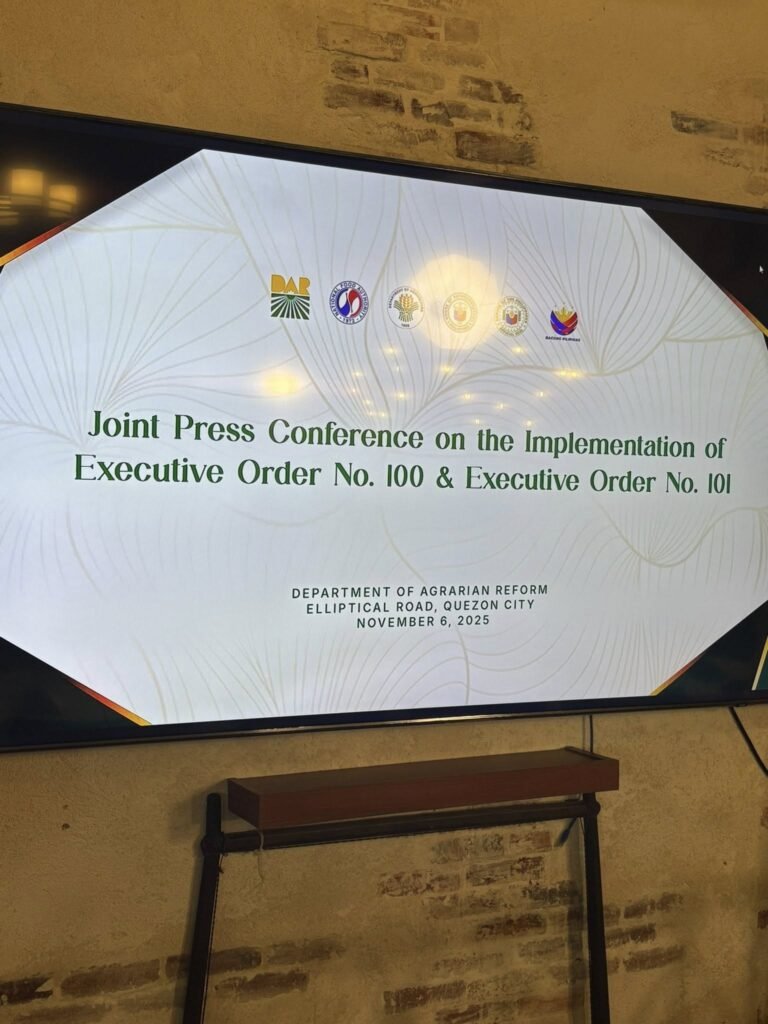
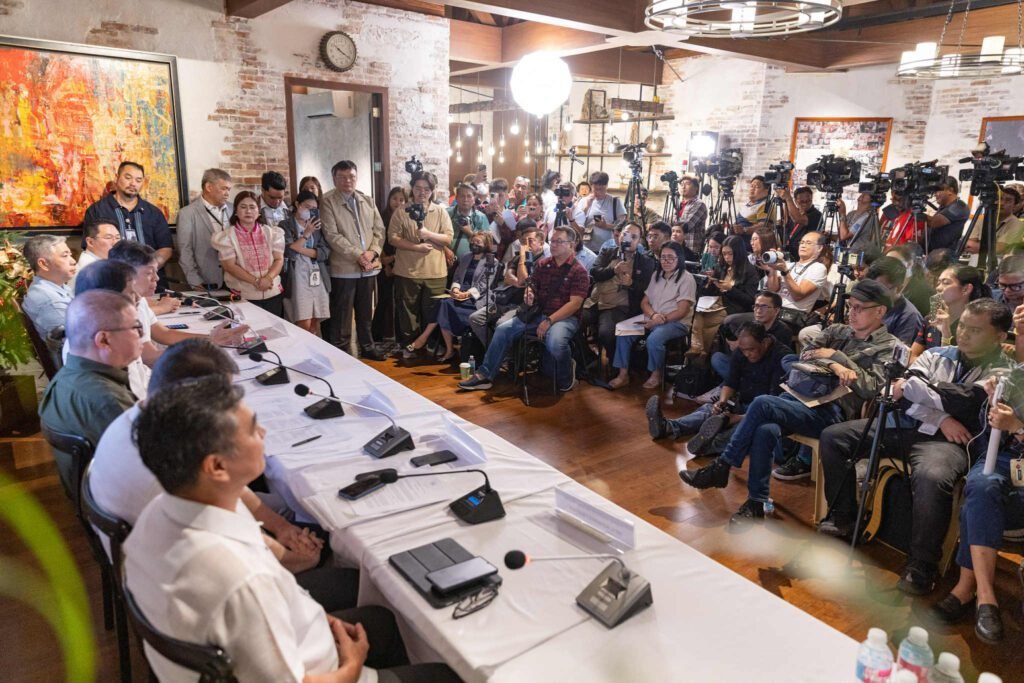
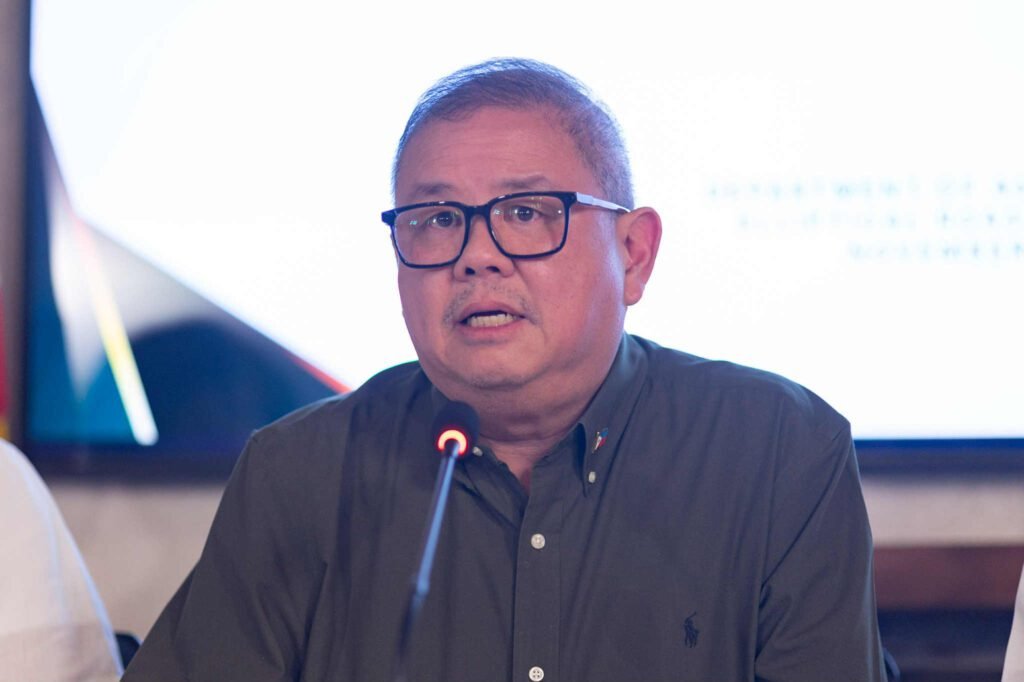
The principal author of the Sagip Saka Act (Republic Act 11321) joined Agriculture Secretary Francisco “Kiko” Tiu Laurel, Agrarian Reform Secretary Conrad Estrella III, House Committee on Agriculture Chair Rep. Mark Enverga, and House Committee on Agrarian Reform Chair Rep. Leah Bulut-Begtang at the Department of Agrarian Reform to discuss the measures’ expected impact.
“Doble-doble ang pasan-pasan ng ating mga magsasaka at mangingisda: matataas na input costs at natural disasters. Itong mga EO, kasama ang rice import ban at pagtaas ng taripa, ay mga hakbang na magpoprotekta sa ating mga lokal na producer at mamimili,” he added.
Under Executive Order 100 (s. 2025), the Department of Agriculture is directed to set a floor price for palay purchases—taking into account production costs, prevailing market prices, and reasonable farmer margins. The EO also introduces a trigger mechanism that prompts government intervention when prices fall below sustainable levels.
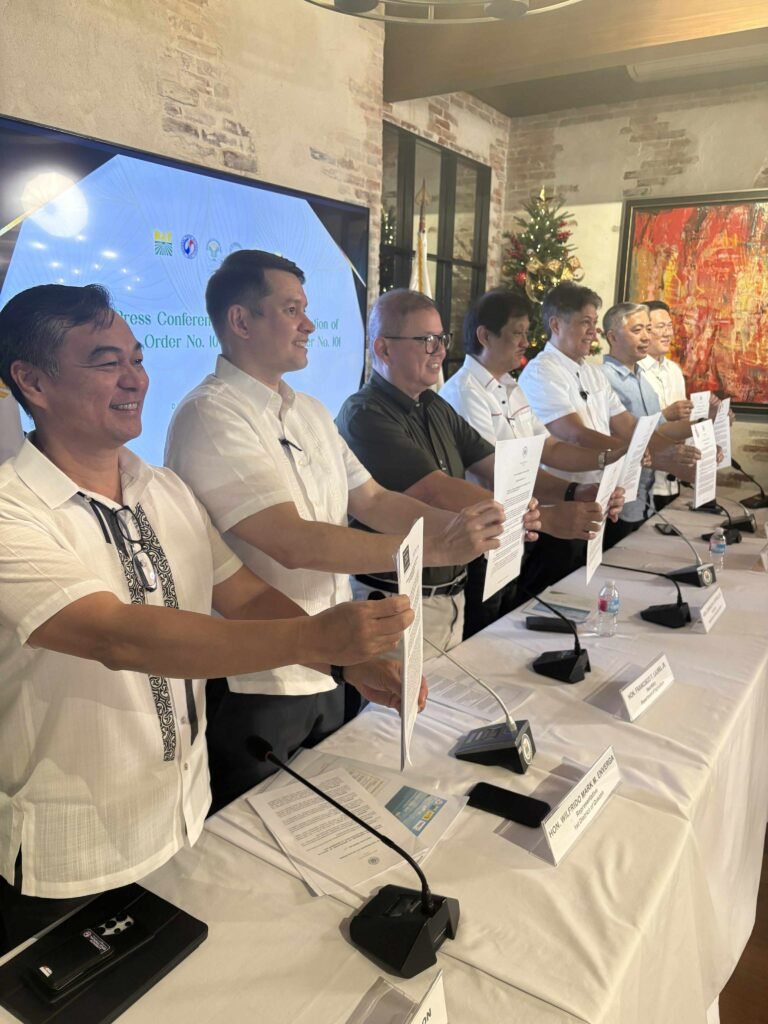
Meanwhile, Executive Order 101 (s. 2025) mandates the full implementation of the Sagip Saka Act, allowing national and local government agencies to directly procure farm and fishery products without public bidding—a mechanism meant to stabilize farmgate prices and improve market access.
“Magkatuwang ang dalawang EO na ito. Pinoprotektahan ng EO 100 ang mga magsasaka mula sa predatory pricing, habang tinitiyak ng EO 101 na ang pamahalaan ang magiging pinakamalaki at maaasahang buyer ng mga magsasaka,” Pangilinan said.
Both directives are part of the government’s broader agricultural recovery roadmap aimed at revitalizing rural livelihoods, stabilizing food prices, and rebuilding public confidence in local production.
Pangilinan underscored that proper implementation of these policies could cushion farmers from external shocks and strengthen domestic food supply.
“Kapag tubo o huling Pinas ang binili natin, pinapakain natin ang ating mga sarili. Makakatulong sa atin ang mga repormang ito, kasama ang mga pagsasaayos ng taripa at kontrol sa pag-import, na umahon patungo sa tunay na seguridad sa pagkain,” he said.