The structural integrity of any building project depends heavily on contractors, who bear the primary responsibility of transforming approved plans and designs into a safe and stable structure, according to industry experts.
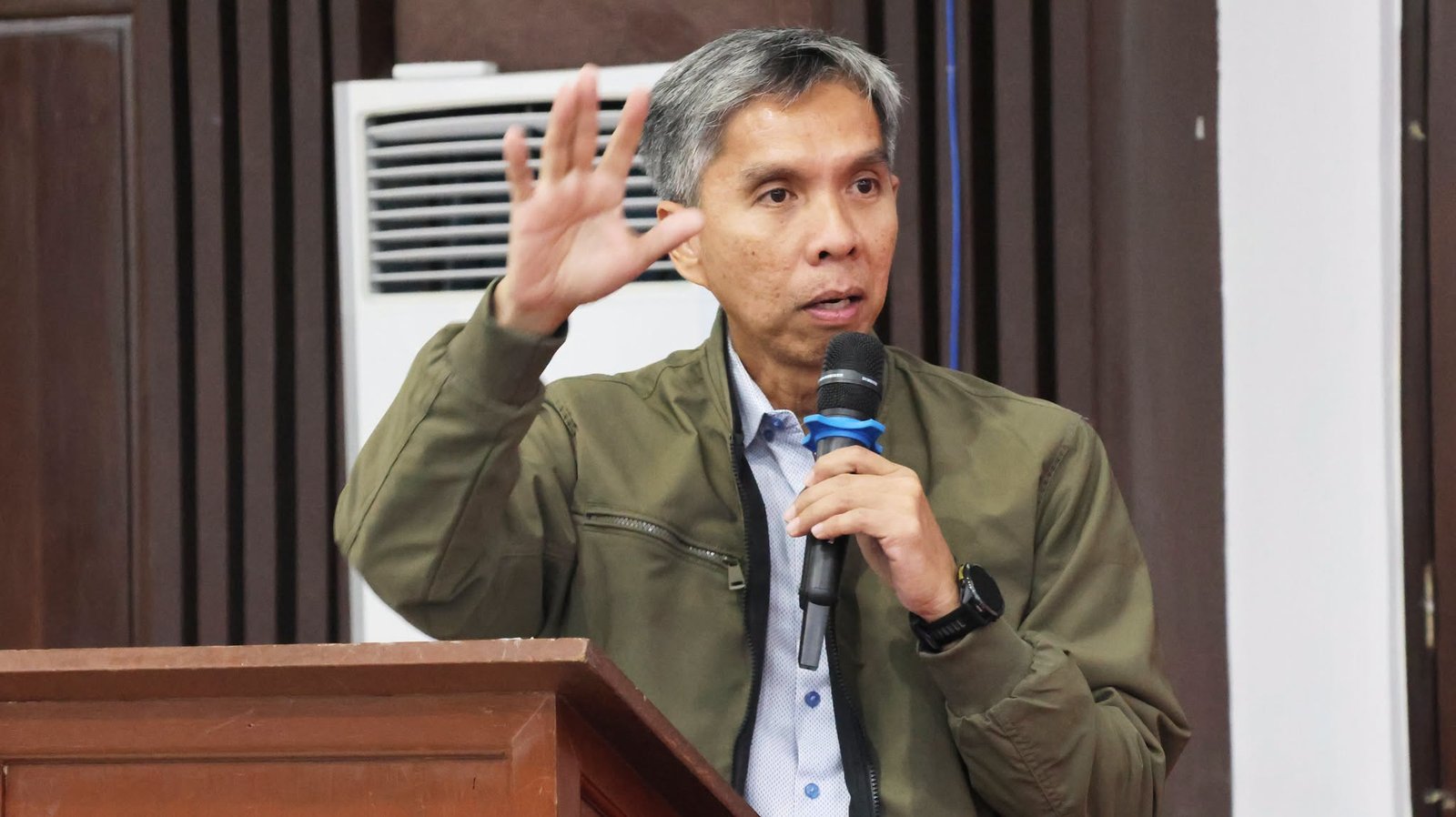
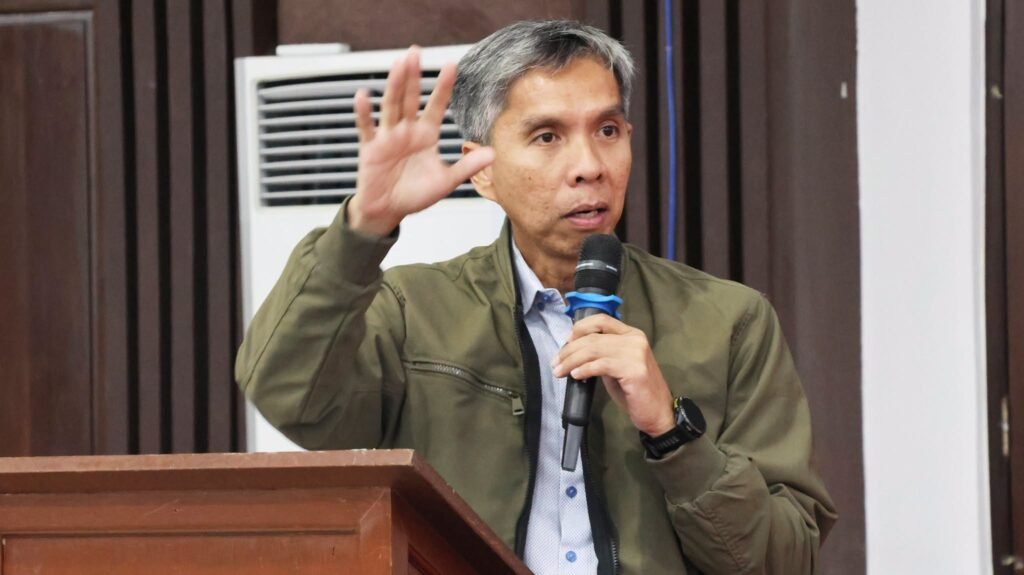
Occupational safety and health consultant Choi Cruz emphasized that while structural integrity is a shared responsibility among architects, engineers, and contractors, the latter carries the greatest burden in the actual execution of construction works.
“Structural integrity does not rely solely on the contractor, though they bear the heaviest burden for physical execution,” Cruz said.
He explained that contractors play a crucial role in ensuring quality workmanship, proper execution, and effective supervision of subcontractors throughout the construction process.
“The contractor is responsible for turning paper concepts into physical reality, ensuring concrete is mixed, poured, and cured correctly, and managing specialized trades such as plumbers and electricians to avoid structural damage during installation,” he said.
Cruz noted that architects and engineers are responsible for establishing the project’s structural parameters and safety standards, which contractors are expected to follow during construction.
He added that ensuring the use of proper materials involves a multi-layered system of checks and balances. However, he stressed that the primary responsibility rests with the contractor, while engineers serve as a secondary layer of oversight.
On workforce management and compliance with labor and building regulations, Cruz said contractors are legally and operationally accountable for construction site safety and worker welfare.
“The contractor is legally and operationally primary in-charge of workforce management and site safety,” he said.
According to Cruz, project owners typically transfer site control to the contractor through contractual agreements, making the latter responsible for labor regulations, site safety, and compliance with the Building Code.
He further explained that property owners are generally not held liable for structural defects unless they directly interfere with technical decisions or issue instructions that compromise the integrity of the project.
“Owners are generally protected from structural liability if they hire licensed professionals such as architects, engineers, and contractors and do not interfere with their technical decisions because the owner is not an expert but a client seeking a quality service,” Cruz said.
Architect Josua Cruz echoed the importance of both design and execution, saying that while design professionals share responsibility for a project’s safety, ensuring quality workmanship and the proper use of materials largely falls on contractors and project management teams.
The experts’ statements come in the wake of the collapse of a building under construction in Barangay Balibago, Angeles City on May 24, which resulted in six fatalities.
Search, rescue, retrieval, and clearing operations remained ongoing at the site as of May 30, while concerned national and local government agencies continue their investigation into the incident.
Golden Years Construction and Steelworks has been identified as the contractor of the project, while Ernest Jackson Lim was named as the property owner. Authorities have yet to determine the cause of the collapse pending the results of the ongoing investigation.
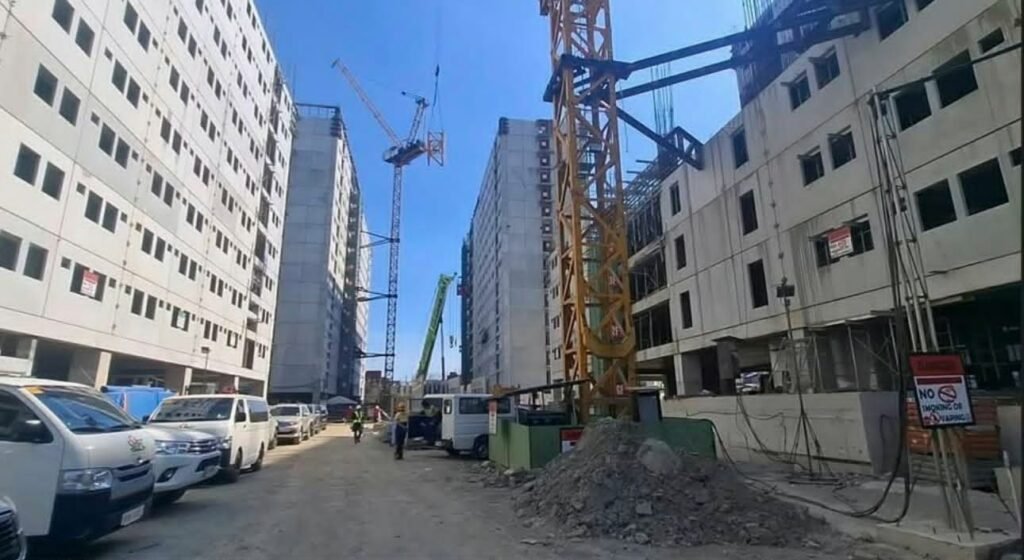
𝑃ℎ𝑜𝑡𝑜 𝑓𝑟𝑜𝑚 𝑡ℎ𝑒 𝐷𝐻𝑆𝑈𝐷’𝑠 𝑠𝑜𝑐𝑖𝑎𝑙 𝑚𝑒𝑑𝑖𝑎 𝑝𝑎𝑔𝑒 𝑠ℎ𝑜𝑤𝑠 𝑎 𝑐𝑜𝑛𝑑𝑜𝑚𝑜𝑛𝑖𝑢𝑚-𝑡𝑦𝑝𝑒 ℎ𝑜𝑢𝑠𝑖𝑛𝑔 𝑝𝑟𝑜𝑗𝑒𝑐𝑡 𝑖𝑛 𝑀𝑎𝑛𝑖𝑙𝑎 𝑖𝑛 𝑣𝑎𝑟𝑖𝑜𝑢𝑠 𝑠𝑡𝑎𝑔𝑒𝑠 𝑜𝑓 𝑐𝑜𝑛𝑠𝑡𝑟𝑢𝑐𝑡𝑖𝑜𝑛.