



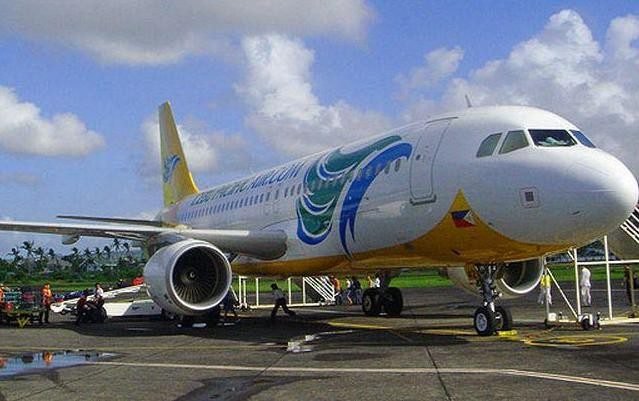
Cebu Pacific (PSE: CEB), the country’s leading airline, recorded ₱87.6 billion in revenue for the first nine months of 2025—an 18% increase from the previous year—driven by strong passenger demand and expanding capacity.
The airline flew 20 million passengers during the period, up 14% year-on-year, with an average seat load factor of 84.8%. EBITDA grew 26% to ₱22.2 billion, while core income before tax more than doubled to ₱2.9 billion. Supported by gains from manufacturer-supplied spare engines, Cebu Pacific’s net income surged to ₱9.5 billion, from ₱3.4 billion last year.
In the third quarter alone, revenue reached ₱24.3 billion, 5% higher year-on-year despite seasonal travel softness. The carrier flew over 6 million passengers for the quarter, a 1% increase. EBITDA rose 11% to ₱4.8 billion, while net income swung to ₱499 million from a ₱173 million loss in the same period last year.
The airline’s margin improvements were supported by an 18% increase in available seat kilometers alongside an 11% increase in flights, as CEB continued shifting to larger, more fuel-efficient Airbus NEO aircraft. By end-September, the airline was operating more than 3,100 weekly flights across 124 routes.
“Cebu Pacific delivered a strong year-to-date performance despite seasonal headwinds in the third quarter,” said Cebu Pacific CEO Michael Szucs. “This reflects the resilience of our business model and the strength of travel demand. We remain committed to affordable, sustainable, and reliable air travel as we work toward an even stronger finish in 2025.”