


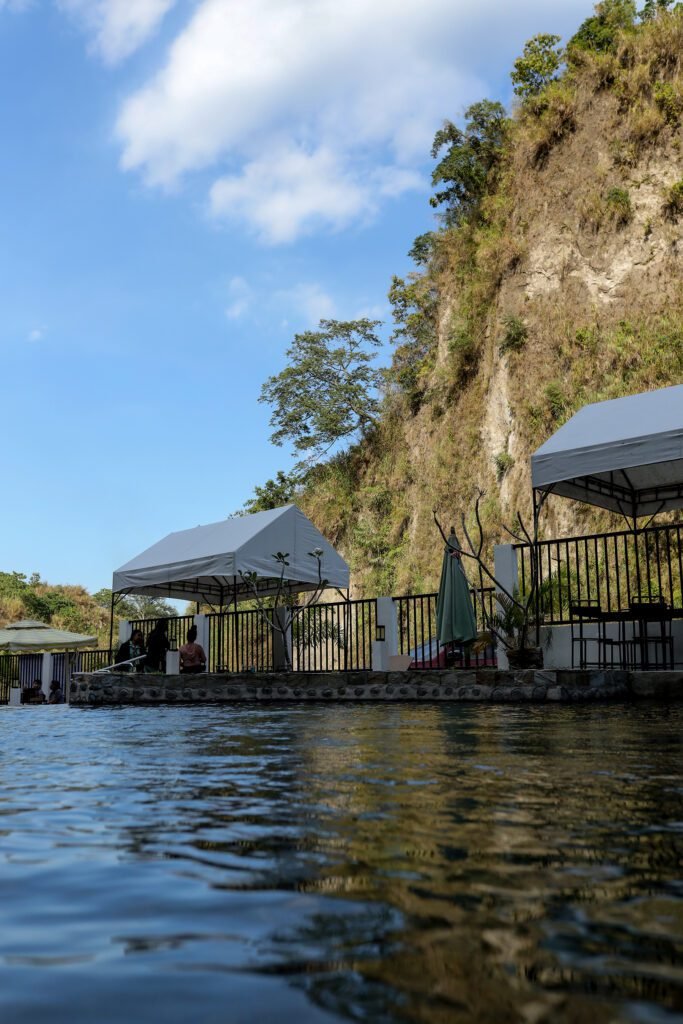
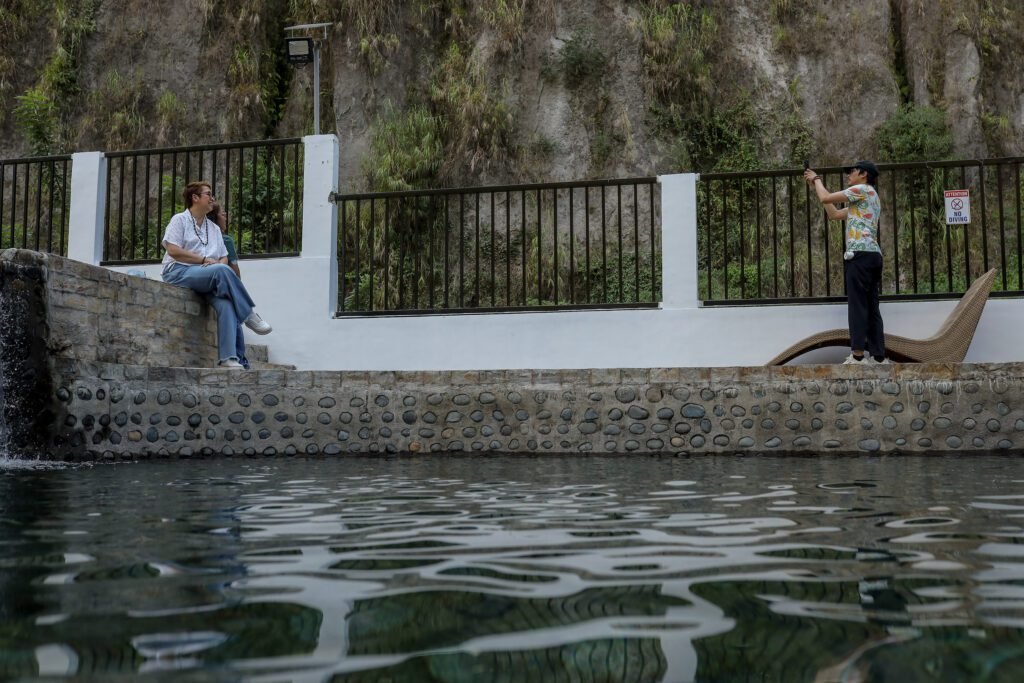
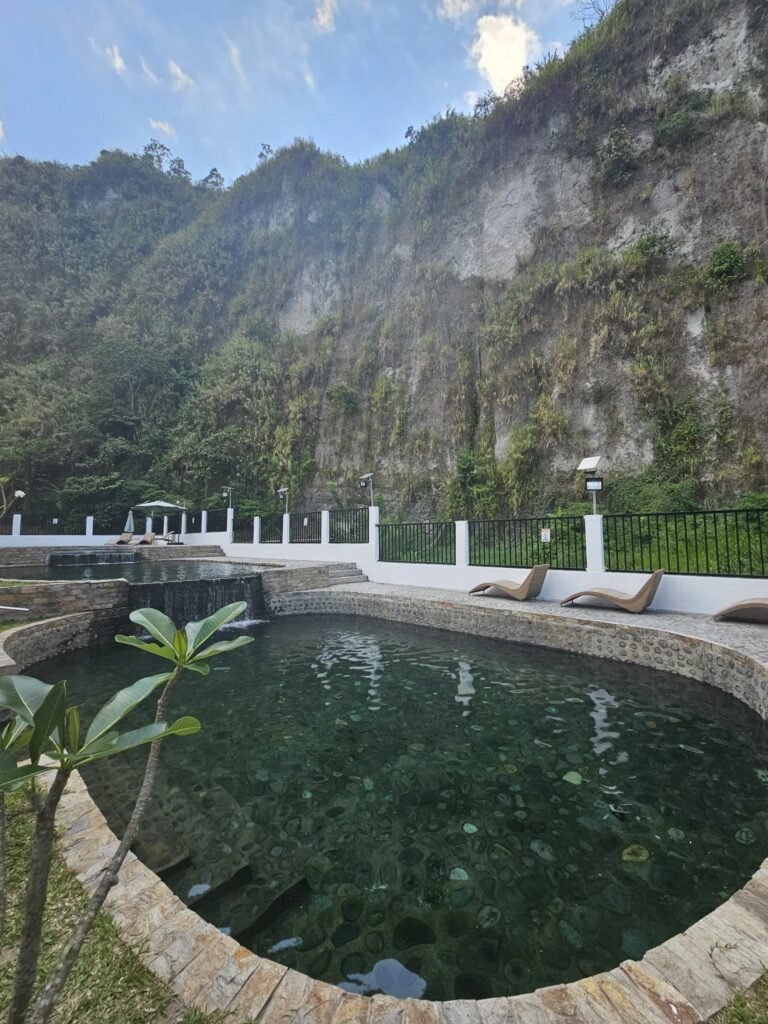
Eden Springs Mountain Resort in Barangay Inararo, Porac, has officially reopened, highlighting a tourism model that puts the community—and its indigenous Aeta residents—at the center of development. Once devastated by tons of lahar, the area has transformed over decades into a sustainable eco-tourism destination, thanks to years of persistence, partnership, and “bayanihan” from locals and private stakeholders.



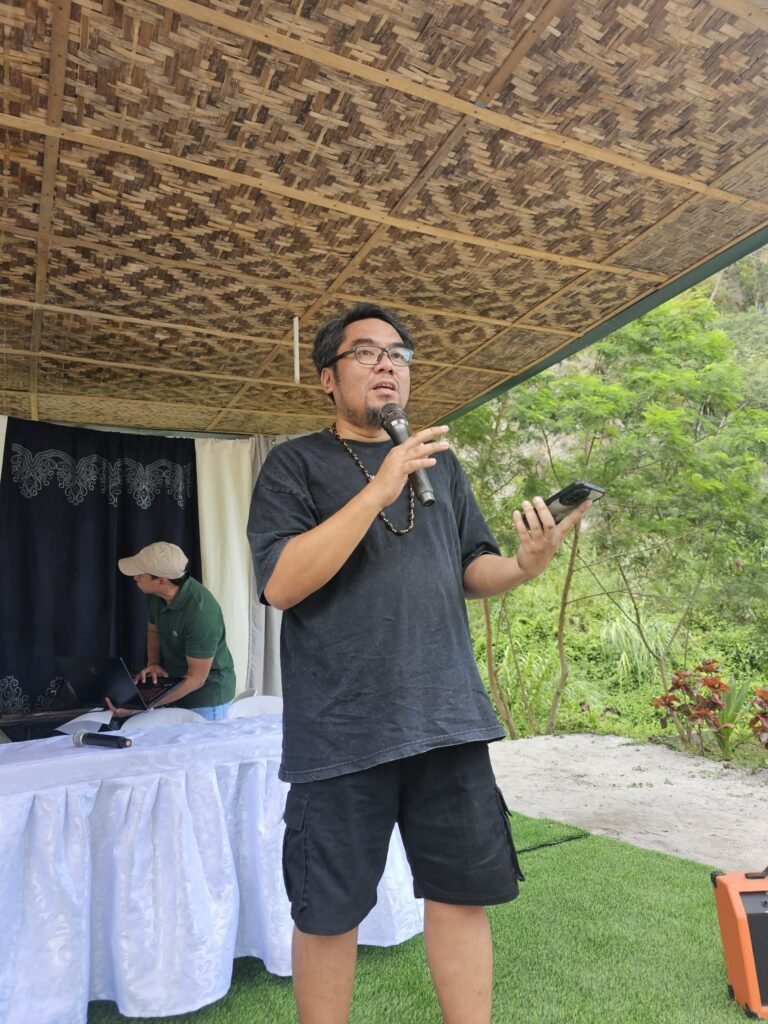

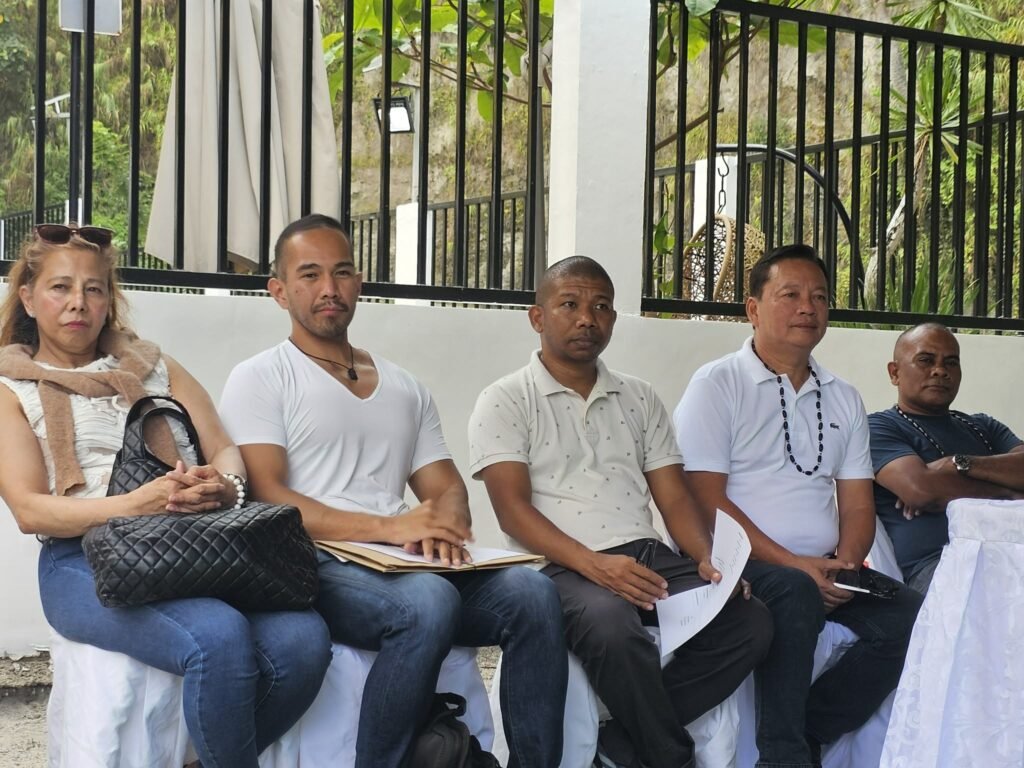
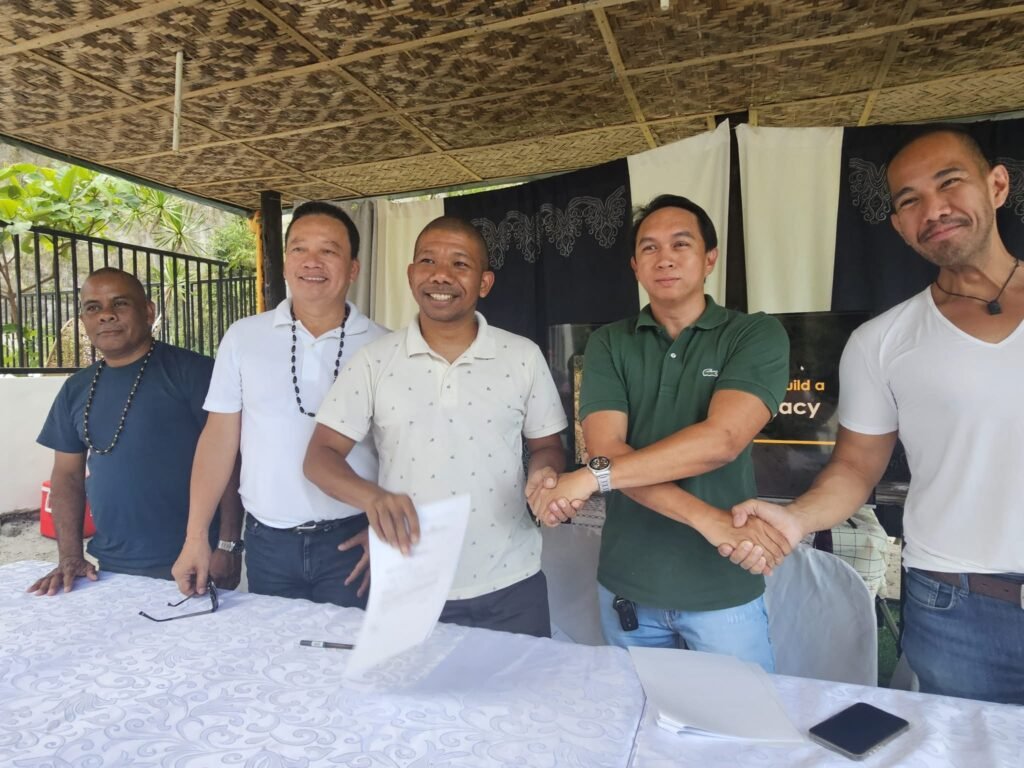
The reopening on March 25 featured the signing of a partnership agreement among Atty. Kyle Viola, Pinatubo Mountainero chairman Bari Silvestre, and Indigenous Peoples Mandatory Representative Norman King.
Atty. Viola emphasized that the resort is “owned by the community” and cannot be sold. He stressed that the venture’s focus is on ecological and sustainable development while ensuring the welfare of the residents. “This is a partnership built on trust, with the community’s welfare in consideration,” he said.



King shared that their collaboration with the Viola family and Pinatubo Mountainero was a conscious choice, rooted in years of support during their struggle for ancestral land rights. “We are not here to make money. We want sustainable tourism and livelihood opportunities for our people,” he said, noting that nearly half of Porac’s upland areas fall under indigenous ancestral domain.
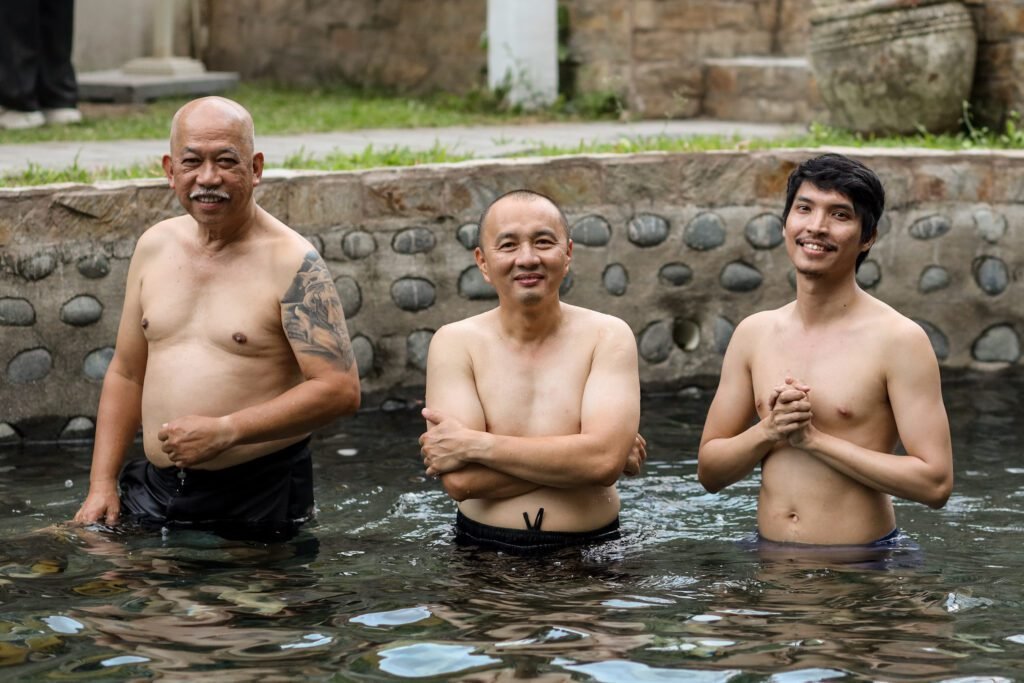
Silvestre described the Inararo tours as a “roller coaster ride which will make you feel all sorts of emotions” offering ATV adventures, hot springs, and pumice salt scrub massages, while also generating tangible benefits for the local community. “Beyond the destination, this is community-built tourism,” he said, emphasizing that residents constructed trails, signages, and bridges that opened up the area to visitors.
Acting Vice Mayor Canlapan and Kap Benson King echoed the sentiment, highlighting that the project ensures upland communities are included, preserves nature, and serves as a model for replicable community-based tourism in Porac and beyond.
The Eden Springs reopening demonstrates how vision, partnership, and the active involvement of indigenous communities can transform once-neglected lands into sustainable destinations—proving that tourism can thrive when it is truly built by the community, for the community.