




Filipina entrepreneurs—many of them mothers—continue to play a major role in the Philippine economy, owning 66% of existing businesses and 62% of newly registered enterprises. Despite this strong presence, many women-led micro, small, and medium enterprises (MSMEs) continue to face challenges in scaling up, including limited access to capital, slow digital adoption, and the pressures of balancing business with family responsibilities.


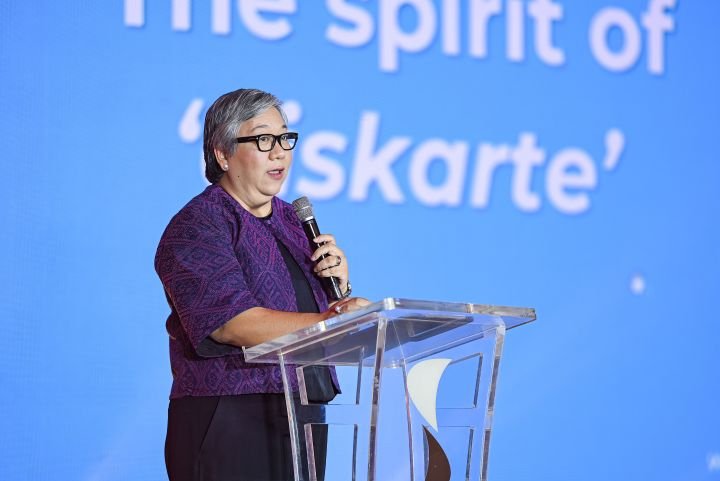
These issues were highlighted during the 4th Gawad Madiskarte, where stakeholders from government and development sectors underscored the need for stronger institutional support to help women entrepreneurs grow beyond survival and into sustainable expansion.
Quezon City Mayor Joy Belmonte emphasized the role of local government units in helping entrepreneurs transition from informal businesses to formal and scalable enterprises.
“Our goal is to guide entrepreneurs as they grow into formal enterprises that can create more opportunities,” Belmonte said, noting that support services such as accessible childcare are also key to enabling mothers to focus on business growth.
Rosalyn Mesina said investing in women entrepreneurs is a “smart macroeconomic strategy,” stressing the need for stronger recognition and protection within systems.
“Women entrepreneurs must not only be supported, they must be seen, recognized, and protected within the system,” Mesina said, calling for gender-responsive policies and stronger institutional commitment.
Meanwhile, Philippine Commission on Women Chairperson highlighted digital inclusion programs such as Elevate AIDA, which train women in artificial intelligence and data-related work, expanding home-based livelihood opportunities.
The private sector also reinforced its support through PLDT Home’s Madiskarte Moms PH (MMPH), which has grown into a community of over 228,000 members. Menardo “Butch” Jimenez Jr. said entrepreneurship must be supported by strong ecosystems that enable long-term growth.
“At its core, entrepreneurship goes beyond hitting sales targets. It is about building a strong support system that empowers entrepreneurs to sustain growth,” Jimenez said.
Now on its fifth year, MMPH continues to provide training, mentorship, and exposure through its Gawad Madiskarte awards, which recognize outstanding mompreneurs nationwide.
From home-based ventures to digital storefronts, Filipina mompreneurs continue to transform small businesses into livelihood engines for families and communities. However, experts stressed that sustained growth will require coordinated action from government, private sector, and community partners.
As the program grows, stakeholders reiterated a key message: supporting Filipina entrepreneurs is not just social development—it is an economic imperative.