


Amid rising electricity prices, global oil market instability, and growing inflation, discussions on the Philippines’ long-term energy security have once again moved to the forefront, with experts and lawmakers pushing for more sustainable and reliable energy solutions.
The renewed debate comes as ongoing tensions in the Middle East continue to disrupt global oil supply and drive up fuel costs, reviving concerns similar to those experienced during the global oil crises of the 1970s that exposed the country’s heavy dependence on imported fuel.
At present, the Philippines remains largely reliant on fossil fuels for power generation, with coal accounting for more than 60 percent of the country’s energy mix, followed by natural gas. Renewable energy sources such as solar, wind, hydro, and geothermal continue to comprise a smaller portion of the energy supply.
Because of this dependence, fluctuations in global fuel supply and prices immediately impact the local energy market, contributing to some of the highest electricity rates in Asia. Recent adjustments by the Manila Electric Company, which raised residential electricity rates to ₱14 per kilowatt-hour earlier this year, have further intensified public concern over rising utility costs.
The Bangko Sentral ng Pilipinas earlier noted that the country remains vulnerable to global oil price shocks due to its reliance on imported fuel, while the Philippine Chamber of Commerce and Industry emphasized that affordable and reliable energy is essential to sustaining economic growth and attracting investors.
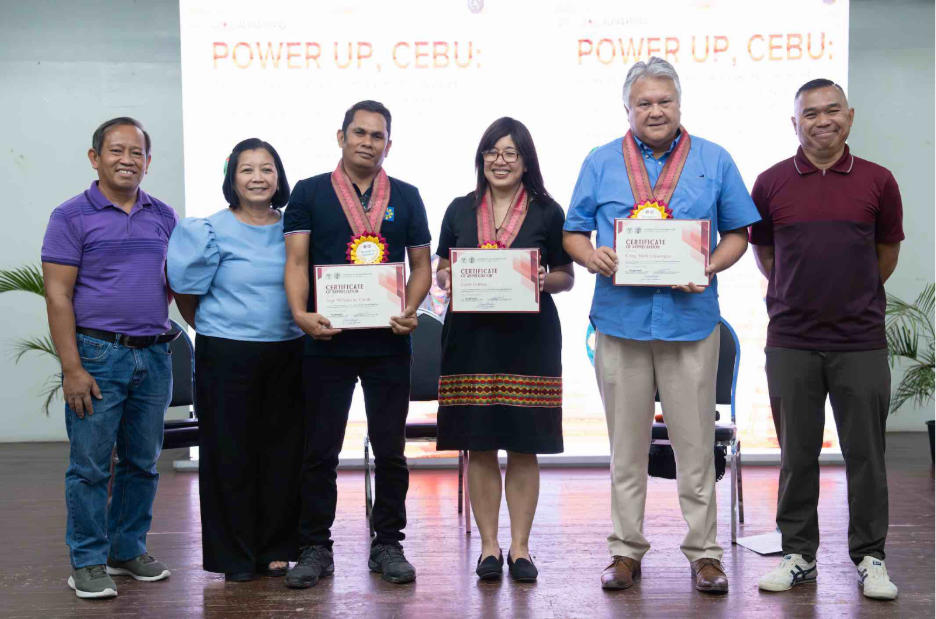
Amid the discussions, Pangasinan 2nd District Representative Mark Cojuangco renewed calls for the development of nuclear energy as a long-term solution to the country’s energy challenges.
Cojuangco is pushing for House Bill No. 8567, which seeks to establish incentives and financing mechanisms to accelerate the development of nuclear power projects in the Philippines.
According to Cojuangco, the country cannot continue relying heavily on imported fuel if it aims to achieve long-term energy security and lower electricity costs for consumers.
Former Philippine Nuclear Research Institute Director Carlo Arcilla also noted that nuclear power could help provide stable baseload electricity while producing minimal carbon emissions, positioning it as both an economic and environmental solution.
Meanwhile, Gayle Certeza of Alpas Pinas stressed the importance of diversifying the country’s energy sources, noting that while solar and wind energy remain valuable, they still require backup power sources during periods of low generation.
As discussions continue, energy advocates maintain that achieving a stable, affordable, and sustainable energy future remains critical to strengthening the Philippine economy and ensuring long-term energy resilience for future generation