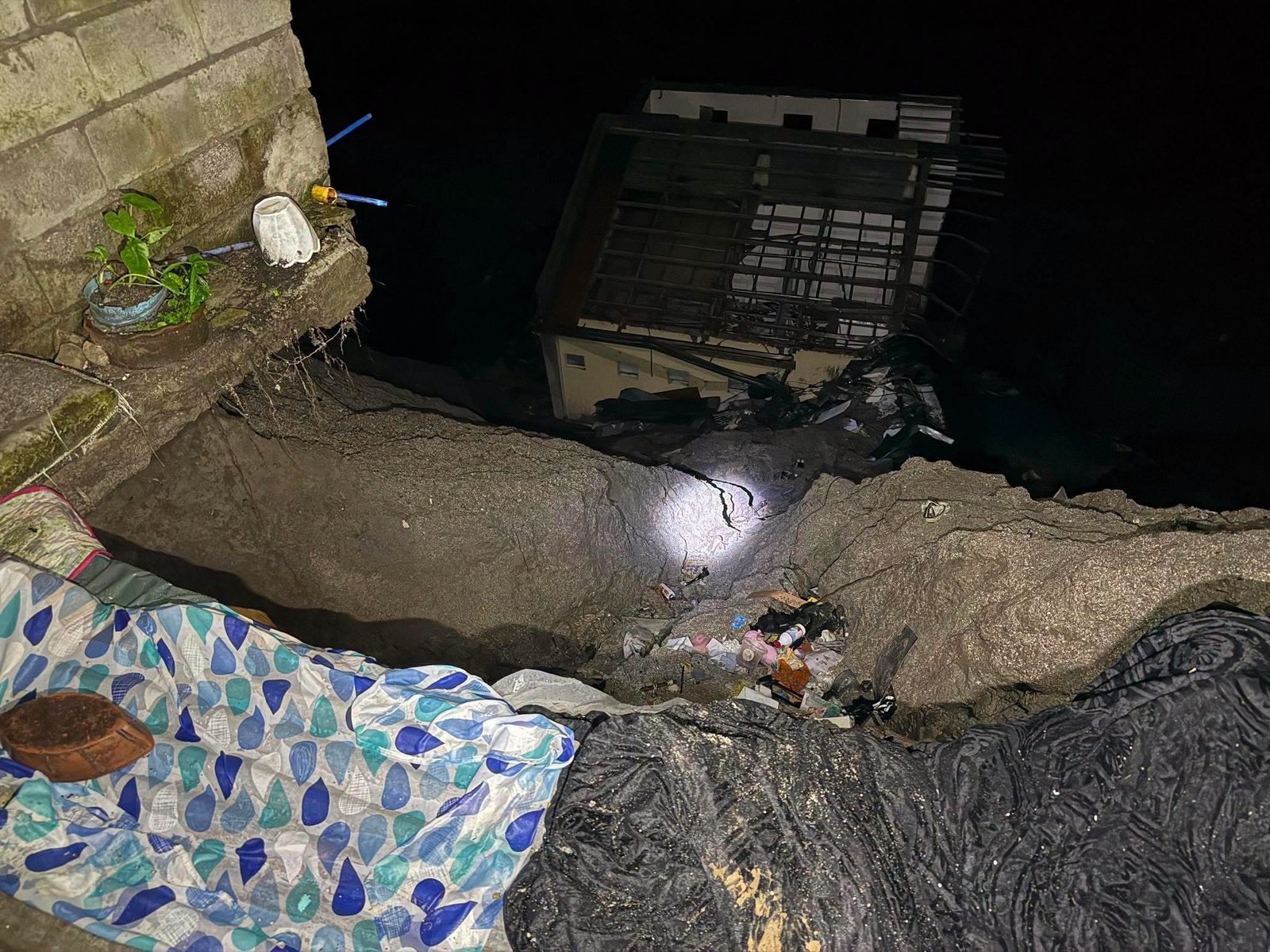
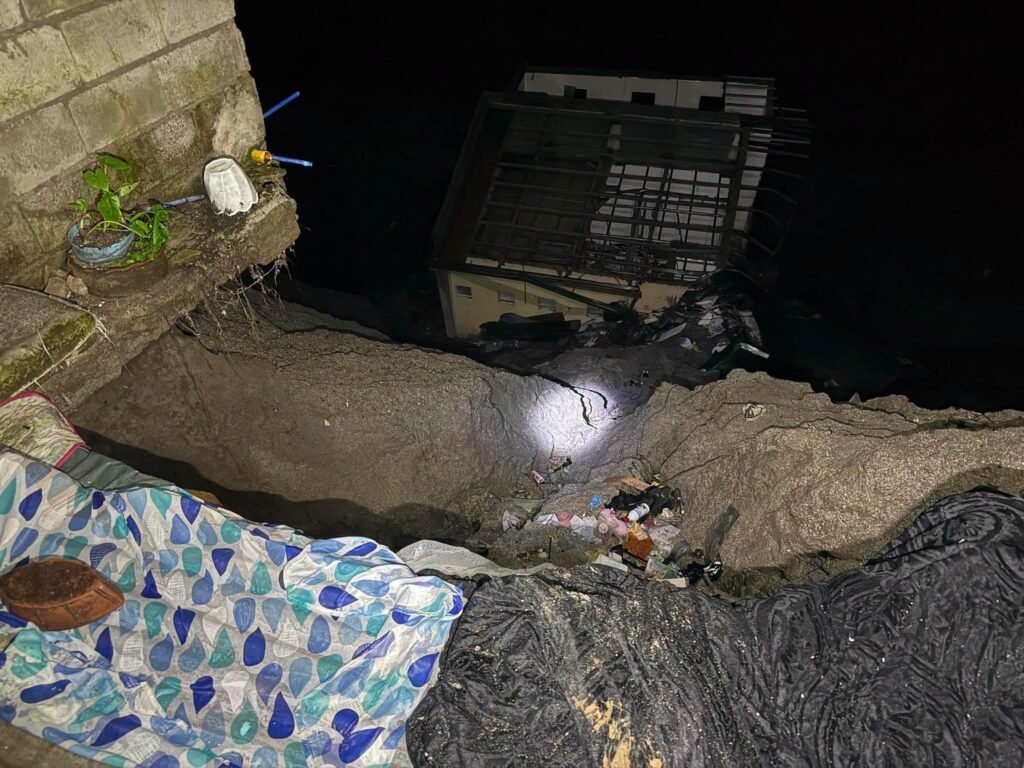
In the middle of flooded communities, anxious families and long days of rain, a different kind of storm erupted online: a debate over clothes.
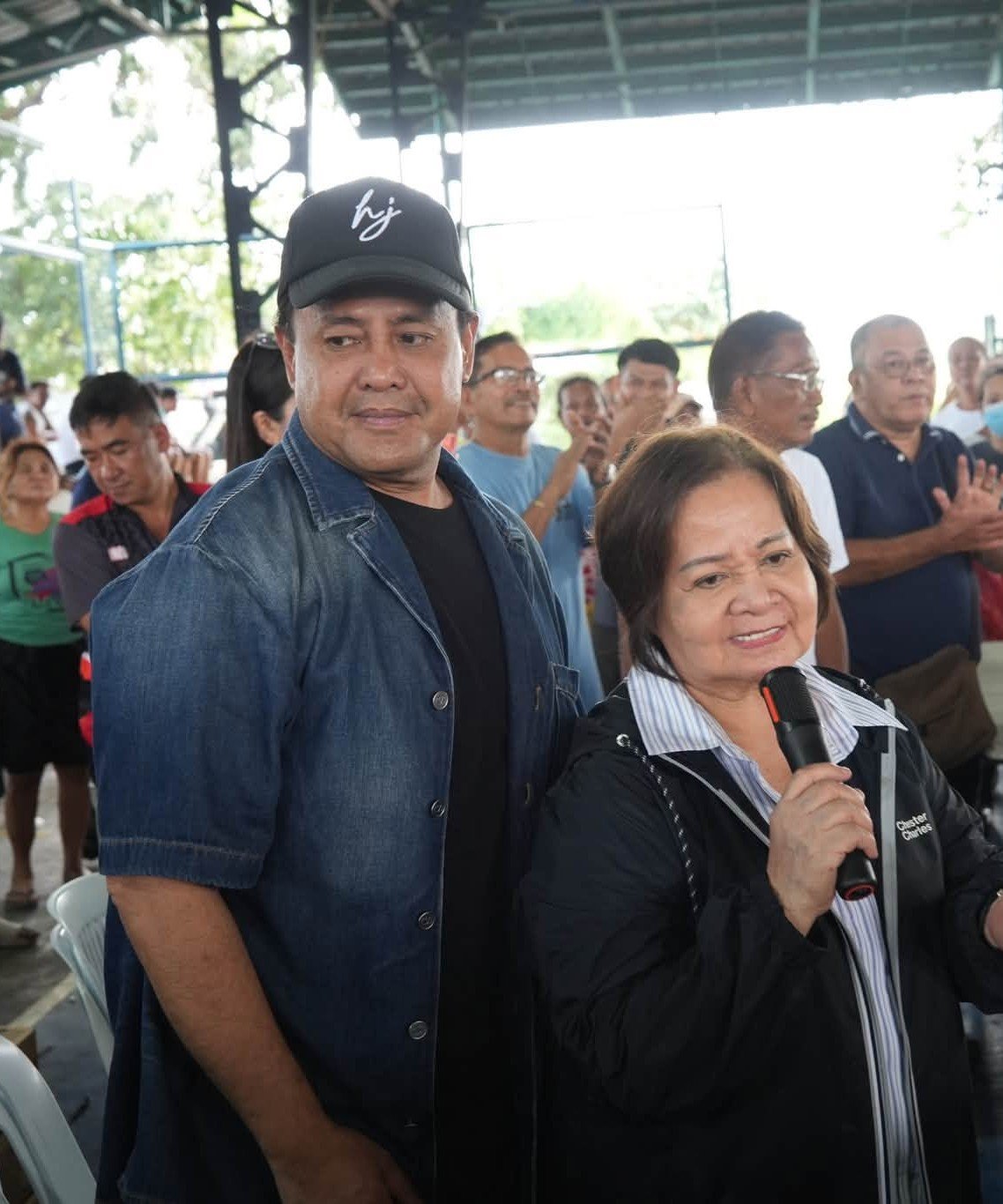
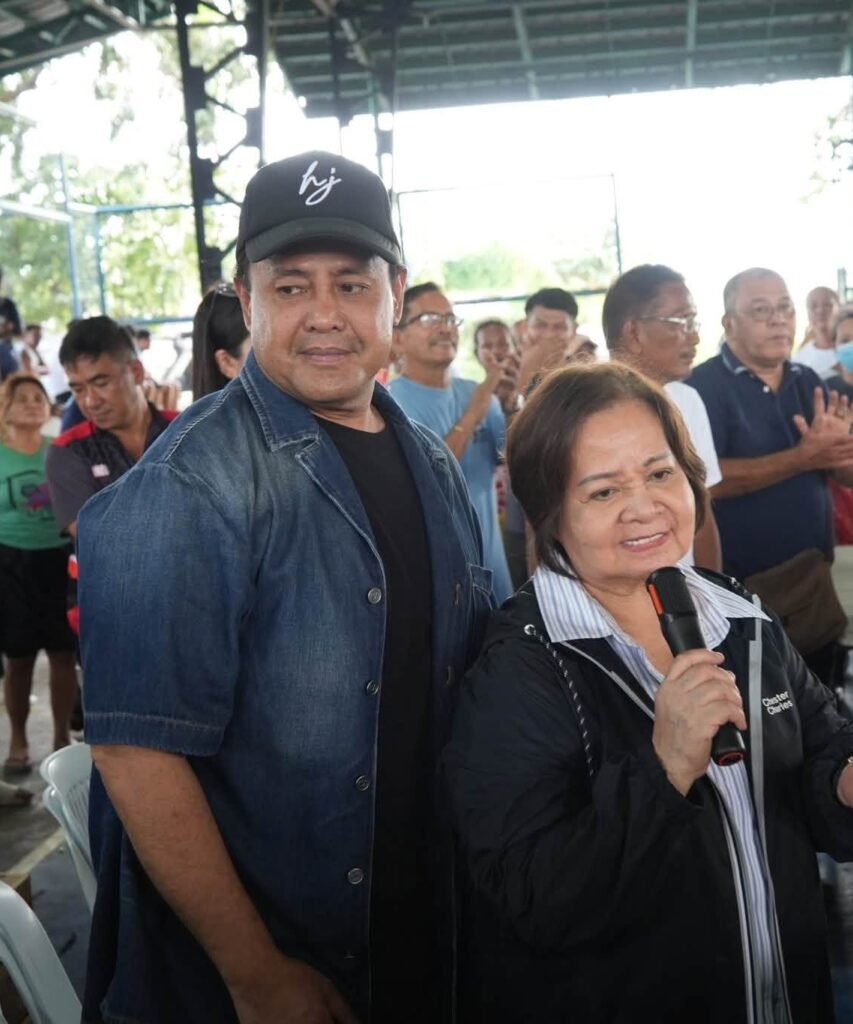
Governor Lilia “Baby” Pineda and Vice Governor Dennis Pineda faced criticism after photos showed them wearing designer clothing while inspecting the Sto. Cristo Dam with Department of Public Works and Highways Secretary Vince Dizon.
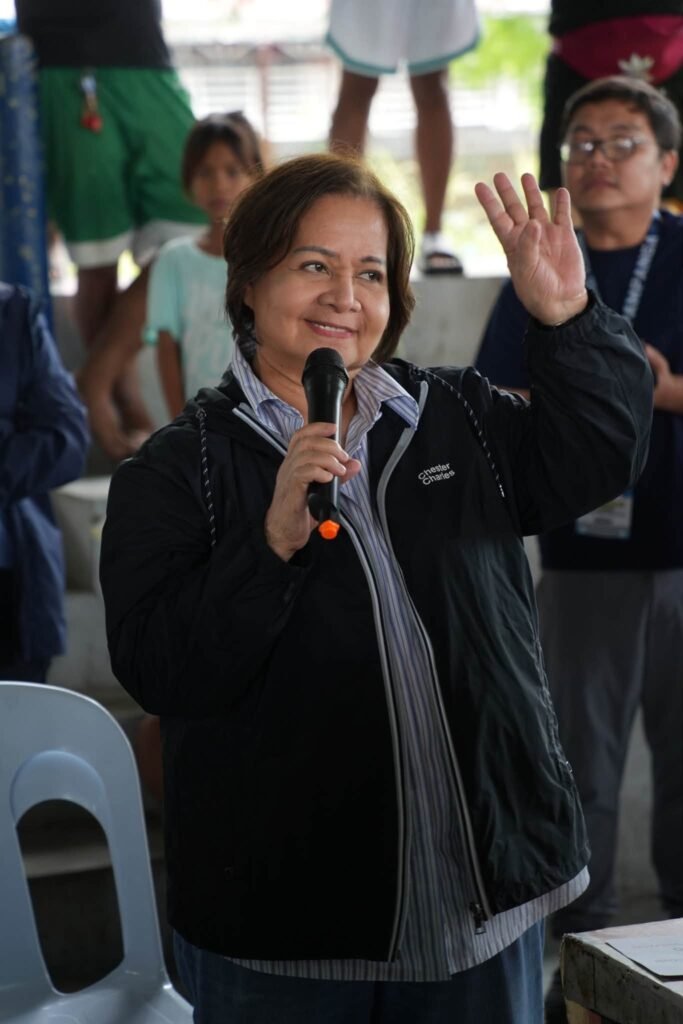
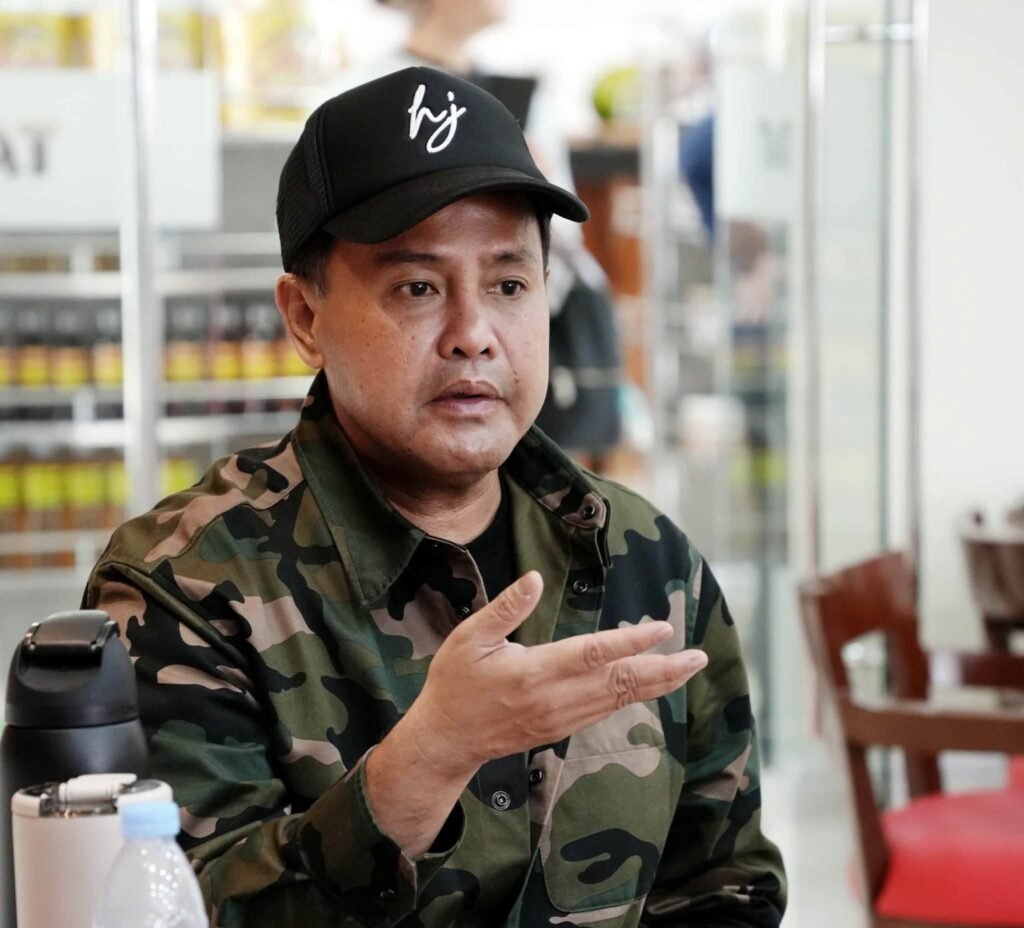
But for many Kapampangans and online supporters, the photographs told only one part of the story.
The bigger question, they said, was not what the Pinedas were wearing, but why they were there in the first place.
For supporters, showing up in communities affected by flooding, helping mobilize assistance and responding to residents in distress matter more than the labels on a shirt, pair of shoes or other pieces of clothing.
𝐓𝐡𝐞 𝐃𝐞𝐛𝐚𝐭𝐞 𝐁𝐞𝐡𝐢𝐧𝐝 𝐭𝐡𝐞 𝐏𝐡𝐨𝐭𝐨𝐬
Social media users quickly pushed back against the criticism.
PrincessMajesty Laxamana said the Pinedas’ clothing should not overshadow their willingness to help, while Virgie Go questioned why attention was being placed on their attire instead of the assistance being extended to affected residents.
Alexan Paule urged Governor Pineda not to be discouraged by the criticism, saying outsiders may not always see the effort and concern that go into responding to communities during difficult times.
“Nanay, hayaan po ninyo mga ibang tao na naninira sa inyo. Di po nila alam ang pagod at malasakit sa mga tao ng Pampanga or ibang lugar. Basta po kami, Nanay, nandito lang po kami,” Paule wrote.
“I salute u, Nanay Gov. We love you,” she added.
The same sentiment was echoed by Paul Pangilinan Corpuz, who said he personally knows the Pinedas and defended Vice Governor Dennis Pineda.
Corpuz pointed to the Educational Financial Assistance Program, saying that while the program provides support to students, there have also been instances when Pineda personally shouldered the full tuition of students who could not afford to continue their education.
His message was simple: appearances do not tell the whole story: “I stand for him, we stand For Him,” Corpuz wrote.
𝐋𝐨𝐨𝐤𝐢𝐧𝐠 𝐏𝐚𝐬𝐭 𝐭𝐡𝐞 𝐋𝐚𝐛𝐞𝐥𝐬
Veteran journalist Max Sangil also entered the conversation with a post titled “The Real Side of Dennis Pineda.”
Sangil recalled meeting Pineda several times and seeing him dressed fashionably during visits to the family-owned Royce Hotel and Casino. He said the vice governor’s preference for fashionable clothing was not particularly unusual, noting the long-standing Kapampangan appreciation for looking presentable.
But when it came to wearing designer clothes while helping flood victims, Sangil was unconcerned.
“For me, that’s no big deal,” he said.
Journalist Ramon Tulfo likewise questioned whether wearing designer clothing should disqualify or diminish an official’s efforts to help people affected by disasters.
“Masama bang magsuot ng mga designer clothes habang tumutulong sa mga biktima ng baha?” Tulfo wrote.
Tulfo said he had known the Pineda family even before they entered public office and described them as helpful. He also cited relief efforts outside Pampanga, including assistance he said was extended to Bicol following a major typhoon.
Sey Soliman-Castro shared a similar sentiment in a post partly written in Kapampangan, saying the Pinedas’ assistance should be considered alongside their ability to mobilize resources when calamities strike.
Mayor Philip Siojo Naguit offered perhaps the simplest description of what supporters believe should matter most.
The Pinedas’ “true brand,” he said, is public service.
Naguit highlighted preparations by the provincial government and the Pineda family to provide food packs to residents affected by days of heavy rain and flooding, particularly in Minalin.
𝐓𝐡𝐞 𝐏𝐚𝐥𝐚𝐜𝐞 𝐑𝐞𝐦𝐢𝐧𝐝𝐞𝐫
The controversy eventually reached Malacañang.
Palace Press Officer Claire Castro said public officials should ultimately be judged by their actions and work rather than by what they wear. At the same time, she emphasized that officials should remain sensitive when serving communities affected by disasters.
Castro also clarified that President Ferdinand Marcos Jr. had issued no specific directive to the Department of the Interior and Local Government or local government units regarding the controversy.
Her statement added nuance to the debate: while clothing alone should not define an official’s performance, public service during a disaster also calls for awareness of the circumstances and hardships faced by the people being served.
𝐖𝐡𝐚𝐭 𝐏𝐞𝐨𝐩𝐥𝐞 𝐑𝐞𝐦𝐞𝐦𝐛𝐞𝐫
For critics, the photographs raised questions about sensitivity and appearances.
For supporters, however, the photographs captured something else — public officials physically present during a difficult time.
And perhaps that is where the debate ultimately comes down to.
A designer label cannot deliver a food pack.
A pair of expensive shoes cannot pump out floodwater.
A branded shirt cannot comfort a family forced to leave its home.
But the person wearing them can.
They can walk into an affected community. They can listen. They can coordinate. They can mobilize resources. They can help.
For the Pinedas’ supporters, that is what should remain at the heart of the conversation.
Because public service is not measured by the price tag on what an official wears.
It is measured by the people they reach, the assistance they deliver and the willingness to stand with their constituents when times are hardest.
In a crisis, what matters is not the label you wear — but whether you show up to serve.