Kuwentong Peyups Atbp. by Atty. Dennis Gorecho
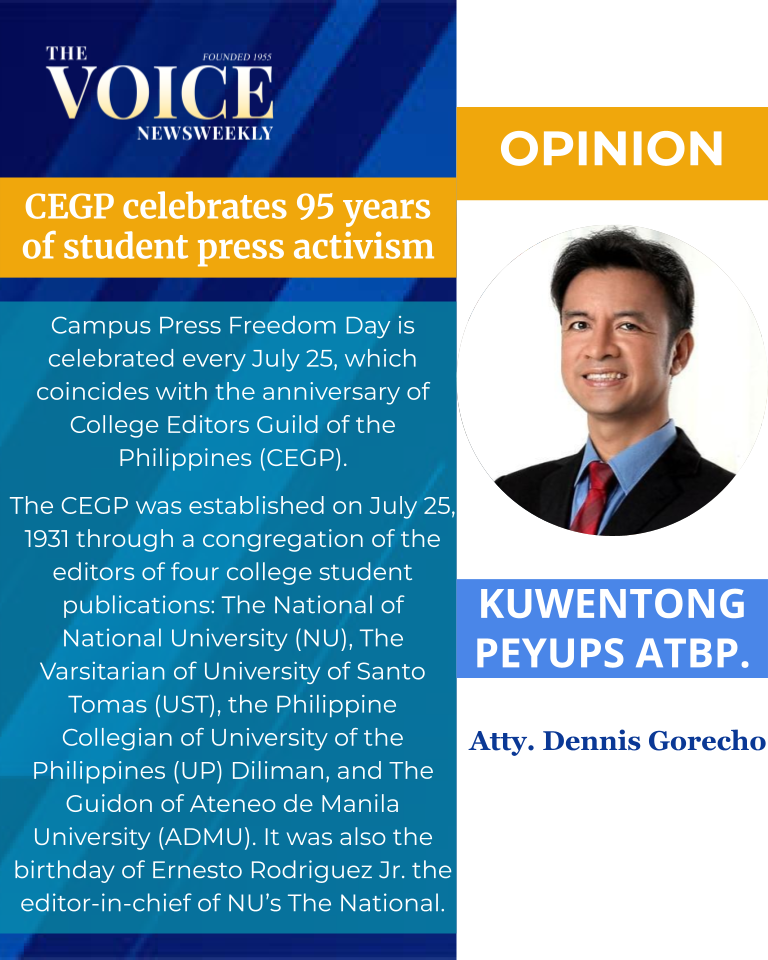
Campus Press Freedom Day is celebrated every July 25, which coincides with the anniversary of College Editors Guild of the Philippines (CEGP).
The CEGP was established on July 25, 1931 through a congregation of the editors of four college student publications: The National of National University (NU), The Varsitarian of University of Santo Tomas (UST), the Philippine Collegian of University of the Philippines (UP) Diliman, and The Guidon of Ateneo de Manila University (ADMU). It was also the birthday of Ernesto Rodriguez Jr. the editor-in-chief of NU’s The National.
CEGP aimed to unite campus journalists to hone their skills, defend press freedom, promote human rights, and champion nationalist education, among others.
Wenceslao Vinzons of the Philippine Collegian of UP Diliman served as its first president (1931).
Sixteen presidents were from UP: 13 from the Philippine Collegian of Diliman, and one each from Baguio, Los Banos and Manila campuses.
The presidents from Philippine Collegian include Vinzons (1931), Leonardo Perez (1948-1949), Augusto Ceasar Espiritu (1949), Ignacio Debuque Jr. (1953), Salvador Carlota (1964), Marcelo Ablaza (1965), Jaime Yambao (1967), Antonio Tagamolila (1971), J. Virgilio Bautista (1981), Marichu Lambino (1983), Benjamin Pimentel Jr. (1985), Angelo Jimenez (1987) and Pauline Gidget Estella (2012).
The presidents from other UP campuses include Oscar Campomanes of Outcrop of UP Baguio (1982), Rey Perez Asis of Manila Collegian of UP Manila (2000-2002) and Teodoro Casino of Perspective of UP Los Banos (1991-1994).
The first woman president was Helena Benitez (1938) from Philippine Women’s Magazine of Philippine Women’s University (PWU), while the five other women presidents include Marichu Lambino (1983) from Philippine Collegian of UP Diliman, Ruth G. Cerventes (1998) from The Scholastican of St. Scholastica’s College, Ronalyn Olea (2002) from The Lyceum Independent Sentinel of Lyceum of the Philippines, Trina Federis (2010) of The Paulinian from St. Paul University Manila , and Pauline Gidget Estella (2012) of Philippine Collegian from UP Diliman.
There were five presidents each from Lyceum of the Philippines (1960,1963,1964, 2002,2014) Manuel L. Quezon University (1952,1954,1959,1966,1986) and Philippine Law School (1937,1939,1941,1955, 1957)
There were four presidents each from Far Eastern University (1946,1947,1950,1956) and San Beda College (1951,1968,1984,1990).
Three presidents came from UST (1934,1940, 2019).
There were two presidents each from Arellano University (1958,1961), ADMU (1955,1961) and NU (1932, 2016).
The schools that had one president each are De La Salle University (1972), EARIST (2008), Philippine College of Criminology (1969), Polytechnic University of the Philippines (2004), PWU (1938), St. Paul University Manila (2010), St. Scholastica’s College (1998), University of the East (1994), University San Agustin (1966) and West Negros College (1970).
Presidents that served two terms were Rodriguez Jr. of NU (1932-34), Evelio Jayaon of Arellano (1961-63), Casino of UPLB (1991-94), and Prestolyn Suyat of UE (1994-98).
When Martial Law was declared in September 1972, the military immediately shut down several media outfits, including campus publications.
Many operated as part of the “mosquito press” that refers to the courageous, independent alternative media that defied the Marcos dictatorship’s strict censorship during Martial Law. The term likened these small publications to mosquitoes—annoying but capable of delivering a stinging, disruptive bite to the authoritarian regime.
Eventually, the CEGP was properly reinstated in the early 1980s.
“The pages of history have been marked by different instances when the campus publications have been under siege, manifested by lack of funds and repressive policies of the administration,” according to Former DSWD Secretary, and CEGP Alumna Judy Taguiwalo.
A former Philippine Collegian features editor, Taguiwalo said, “The press plays an essential role in democracy by serving as an independent watchdog , which aims to arm its readers with critical and alternative analysis that will provide them a framework for action.”
July 25 is designated as National Campus Press Freedom Day by virtue of R.A. 11440 or “National Campus Press Freedom Day Act” signed into law on August 28, 2019.
The law was enacted to recognize “the contribution of the campus press as an important institution in promoting and protecting the freedom of the press and the freedom of expression”.
“Press freedom is upheld only when we begin to recognize that our struggle for it is inseparable from the people’s fight for social justice, accountability, and systemic change,” CEGP said in a statement.
CEGP said that conditions have barely changed for student journalists over the past decades: censorship has intensified, cyber libel has been weaponized to silence critical reportage and informed opinion in digital spaces, and school officials have imposed prior restraint.
I became part of CEGP during Casino’s term in early 90s as the photo editor of Philippine Collegian.
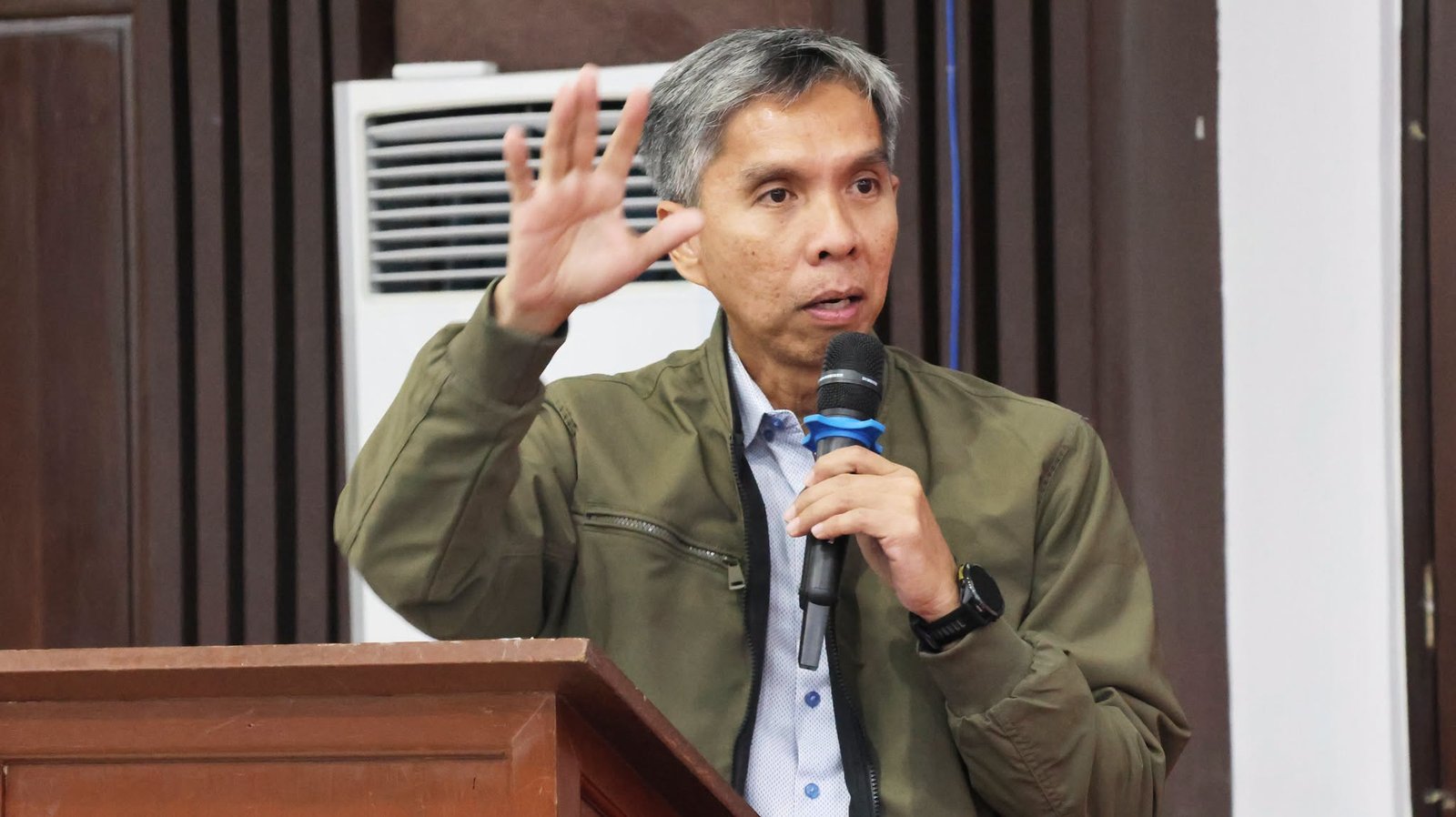
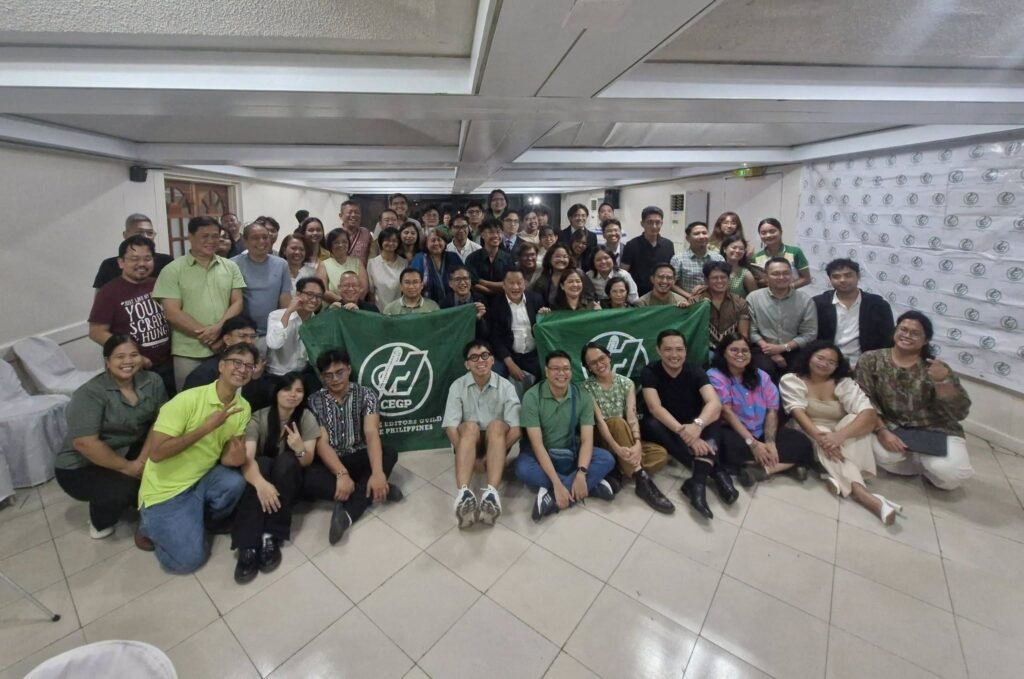
CEGP celebrated its 95th anniversary at the University Hotel of UP Diliman sponsored by UP President Angelo Jimenez who was CEGP president in 1987 to 1988.
(𝑃𝑒𝑦𝑢𝑝𝑠 𝑖𝑠 𝑡ℎ𝑒 𝑚𝑜𝑛𝑖𝑘𝑒𝑟 𝑜𝑓 𝑡ℎ𝑒 𝑈𝑛𝑖𝑣𝑒𝑟𝑠𝑖𝑡𝑦 𝑜𝑓 𝑡ℎ𝑒 𝑃ℎ𝑖𝑙𝑖𝑝𝑝𝑖𝑛𝑒𝑠. 𝐴𝑡𝑡𝑦. 𝐷𝑒𝑛𝑛𝑖𝑠 𝑅. 𝐺𝑜𝑟𝑒𝑐ℎ𝑜 ℎ𝑒𝑎𝑑𝑠 𝑡ℎ𝑒 𝑆𝑒𝑎𝑓𝑎𝑟𝑒𝑟𝑠’ 𝐷𝑖𝑣𝑖𝑠𝑖𝑜𝑛 𝑜𝑓 𝑡ℎ𝑒 𝑆𝑎𝑝𝑎𝑙𝑜 𝑉𝑒𝑙𝑒𝑧 𝐵𝑢𝑛𝑑𝑎𝑛𝑔 𝐵𝑢𝑙𝑖𝑙𝑎𝑛 𝐿𝑎𝑤 𝑂𝑓𝑓𝑖𝑐𝑒𝑠. 𝐹𝑜𝑟 𝑐𝑜𝑚𝑚𝑒𝑛𝑡𝑠, 𝑒-𝑚𝑎𝑖𝑙 𝑖𝑛𝑓𝑜@𝑠𝑎𝑝𝑎𝑙𝑜𝑣𝑒𝑙𝑒𝑧.𝑐𝑜𝑚, 𝑜𝑟 𝑐𝑎𝑙𝑙 0908-8665786.)
Photo taken during the 95th anniversary celebration July 25, 2026