


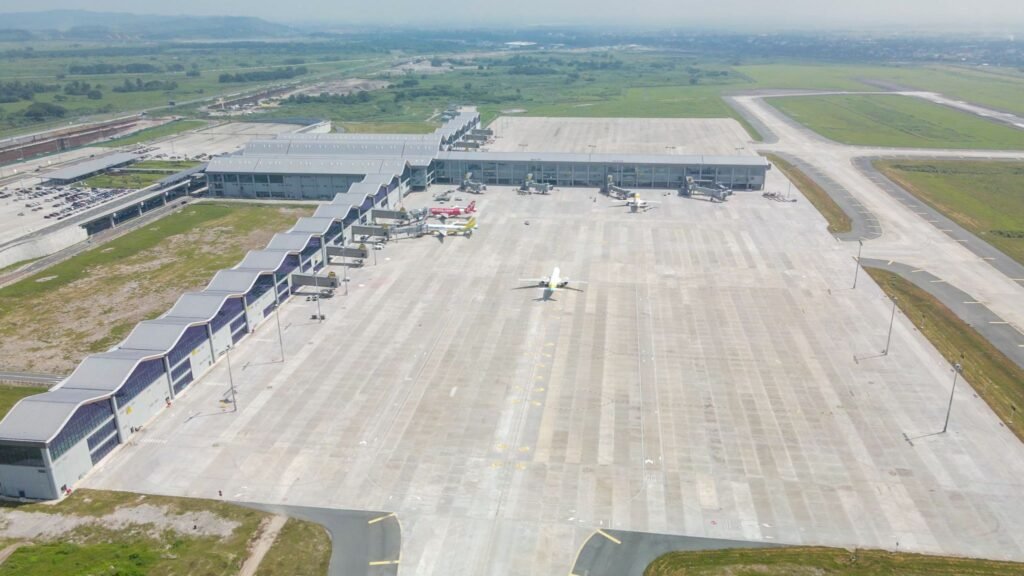
The Bases Conversion and Development Authority (BCDA) is moving forward with the second runway project at Clark International Airport, entering the detailed engineering design phase aimed at boosting efficiency and long-term aviation growth in Central Luzon.
The design contract, worth ₱206.9 million, was awarded to the joint venture of Schema Konsult Inc. and Yooshin Engineering Corp. following a competitive bidding process.
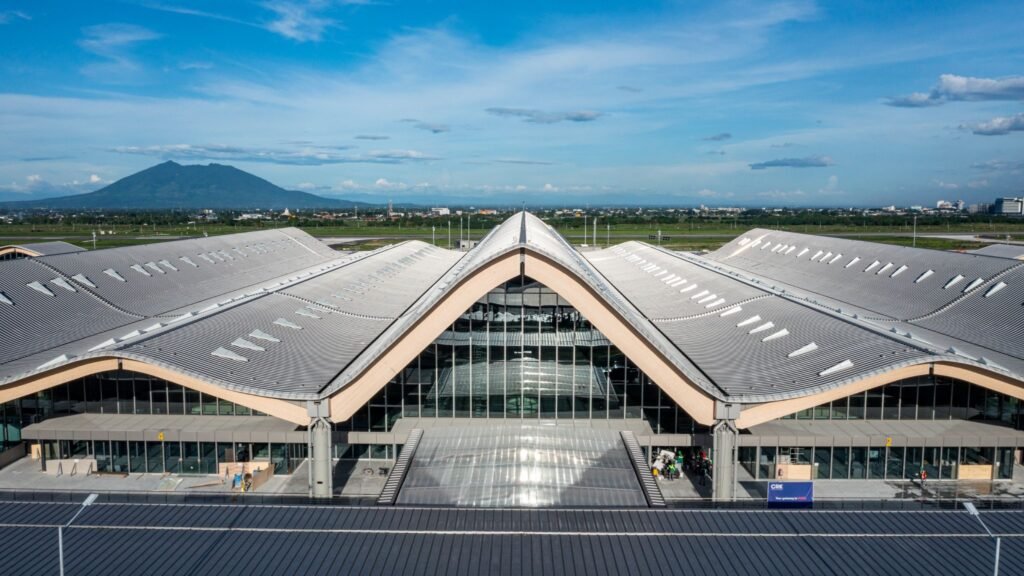
The planned additional runway will act as a backup to the airport’s main runway, ensuring continuous and safe operations in case of disruptions. It is also expected to support increasing demand from logistics carriers and improve overall airport efficiency.
BCDA President and CEO Joshua M. Bingcang said the project is a key step in strengthening the airport’s resilience and capacity.
“By building a second runway, we are taking a significant step toward strengthening CRK’s operational resilience and long-term capacity. This development will build in redundancy to ensure uninterrupted operations, minimize the risk of disruption, and enhance Clark’s competitiveness as a premier logistics and aviation hub,” Bingcang said.
“More importantly, this development will benefit Clark and the wider Central Luzon region by enhancing connectivity for locators and businesses, while also generating more employment opportunities for the local communities as airport and related support services expand,” he added.
The detailed engineering design phase is targeted for completion by the second quarter of 2027, after which a separate bidding process for construction will be conducted. The new runway is projected to be operational by the fourth quarter of 2029.
The project forms part of the national government’s broader push to modernize transport infrastructure and strengthen the logistics network along the Luzon Economic Corridor.
Clark International Airport continues to emerge as a key gateway, serving 2.75 million passengers in 2025, with global logistics firms UPS and FedEx expanding operations at the airport.
To support growing demand, BCDA, in partnership with the Department of Transportation, is also advancing additional airside infrastructure, including taxiways, aprons, and utilities to improve aircraft movement and operational efficiency.