

As more young Filipinos spend increased time online for learning, entertainment, and social interaction, digital safety has become a growing concern alongside expanded internet access.
In South Luzon, Globe Telecom strengthened its child online protection efforts through its Digital Thumbprint Program (DTP), an initiative that equips students with practical skills to stay safe and responsible online.
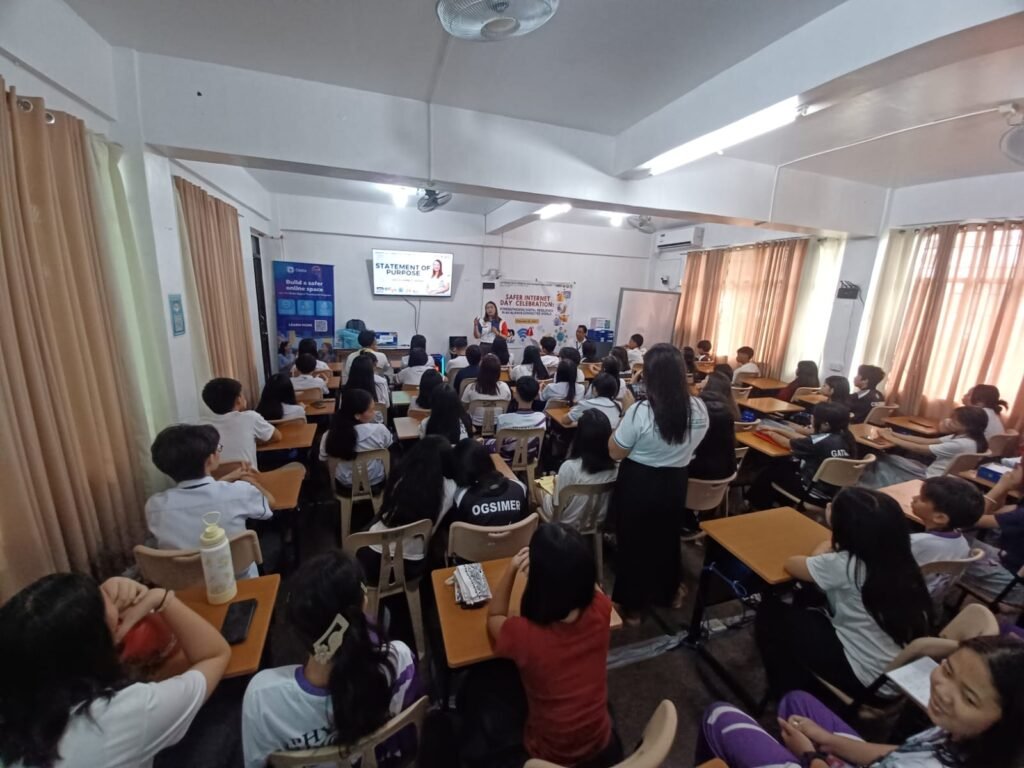
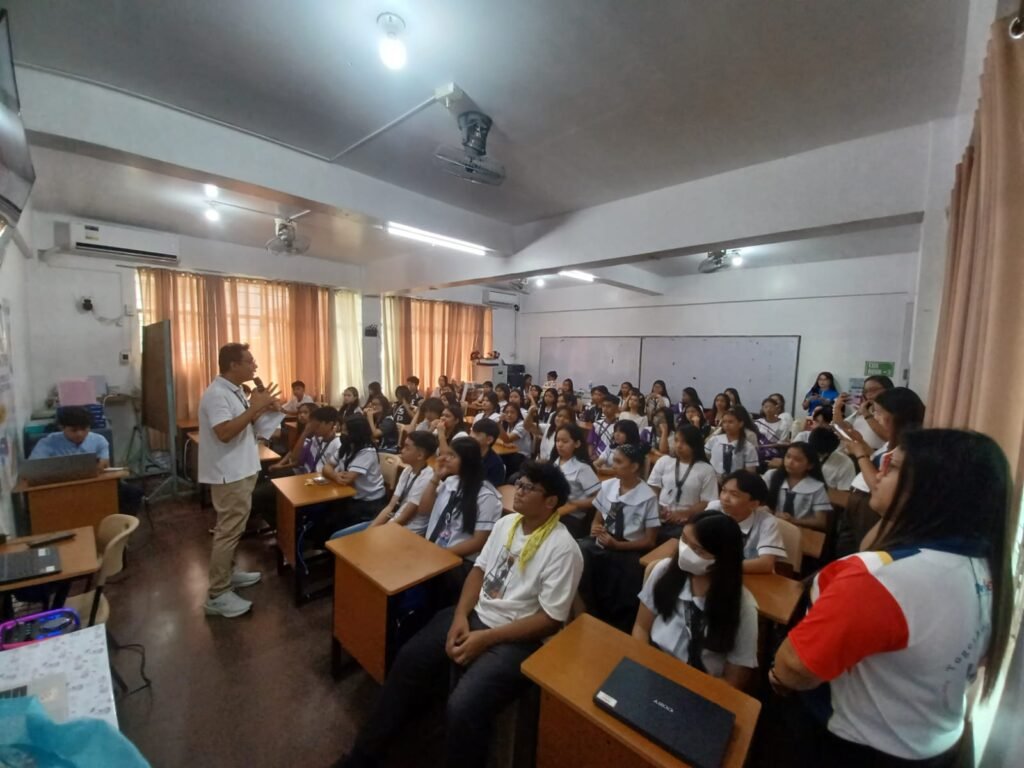
The program, rolled out during Safer Internet Month, supports the nationwide campaign led by the Department of Justice through the National Coordination Center Against OSAEC-CSAEM, which promotes protection against online sexual abuse and exploitation of children.
A key feature of the initiative is its employee-volunteer network, where trained Globe staff serve as Digital Thumbprint Program Ambassadors. They conduct school-based sessions covering cybersecurity, privacy protection, responsible online behavior, and awareness of digital risks such as phishing and identity misuse.
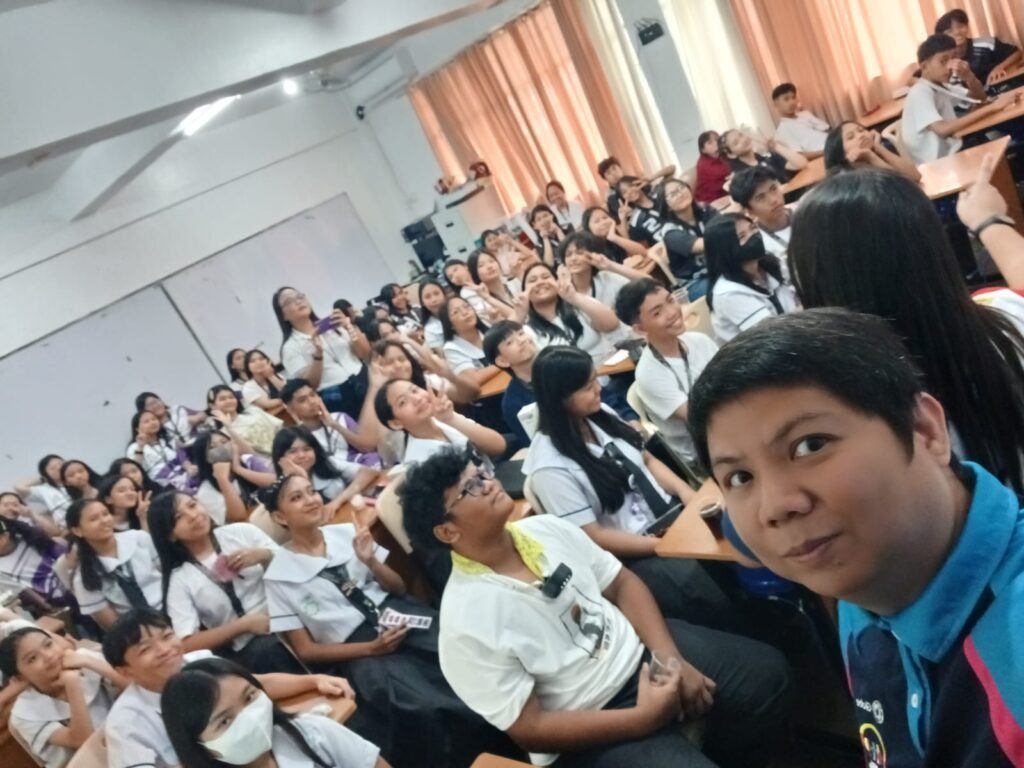
At Gov. Ferrer East National High School in Cavite, Globe Business Development Expert and employee-volunteer JP Castillo led an interactive session for 100 students, guiding them on identifying suspicious online activity, securing accounts, and protecting personal information.
Students were encouraged to reflect on everyday online habits and adopt safer practices, including being mindful of friend requests, sharing personal data, and managing digital footprints.
Since its launch in 2016, the Digital Thumbprint Program has reached nearly two million learners nationwide. In 2025 alone, more than 16,500 students and educators participated in its digital safety and child protection sessions.
Globe said the initiative reflects its broader sustainability commitment to ensure that improved connectivity is matched with stronger digital literacy and protection.
“As we observe Safer Internet Month, we reaffirm our commitment to protecting Filipino children in the digital space,” said Yoly Crisanto.
She added that the program aims to empower both employees and communities to promote safer and more responsible online behavior, especially in addressing risks such as OSAEC and CSAEM.